



WPF|快速添加新手引导功能(支持MVVM)

阅读导航
-
前言
-
案例一
-
案例二
-
案例三(本文介绍的方式)
-
如何使用?
-
控件如何开发的?
-
总结
1. 前言
案例一
站长分享过 眾尋 大佬的一篇 WPF 简易新手引导 一文,新手引导的效果挺不错的,如下图:
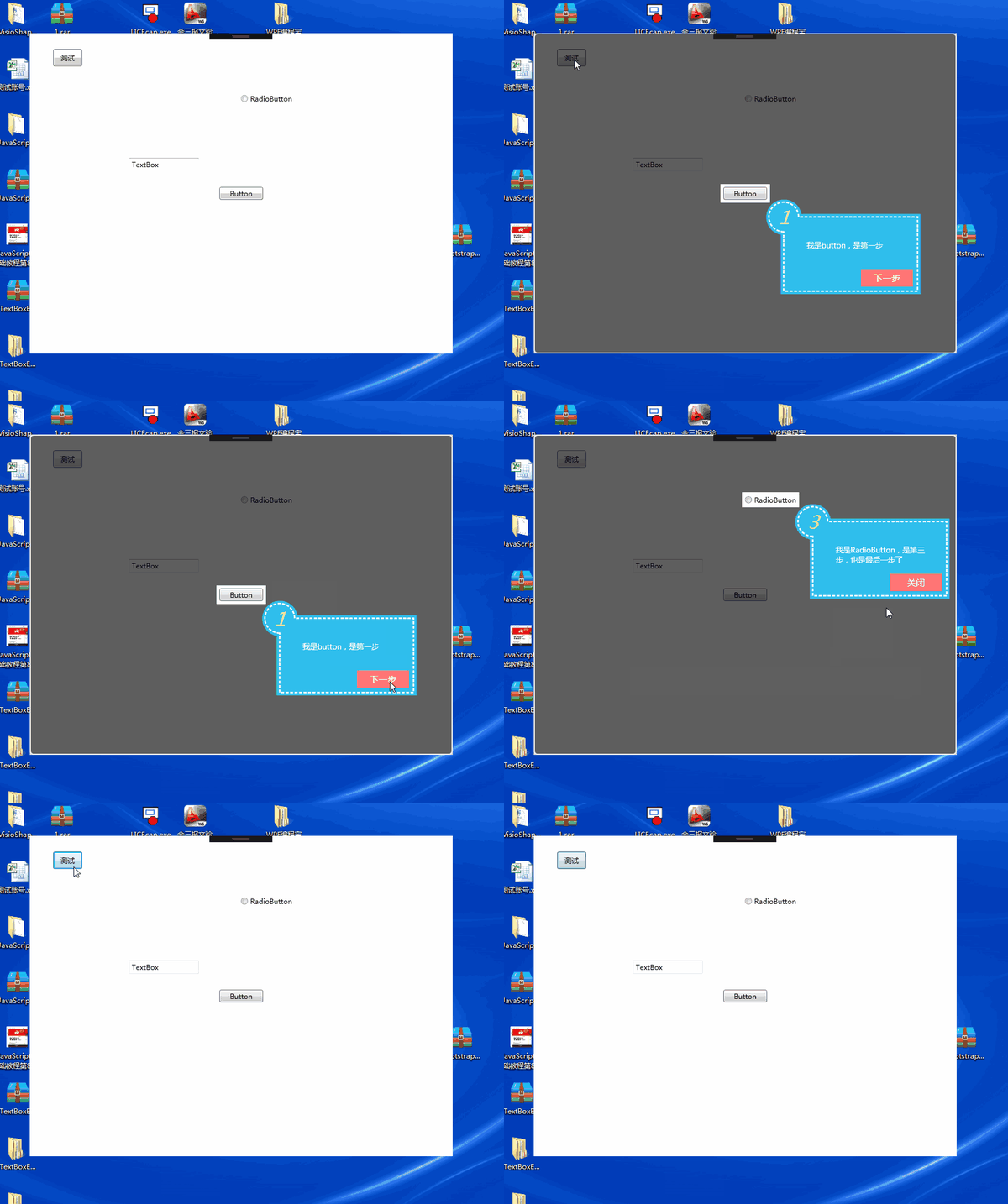

该文给出的代码未使用 MVVM 的开发方式,提示框使用的用户控件、蒙版窗体样式与后台代码未分离,但给大家分享了开发新手引导功能的一个参考。
案例二
开源项目 AIStudio.Wpf.Controls,它的新手引导效果如下:
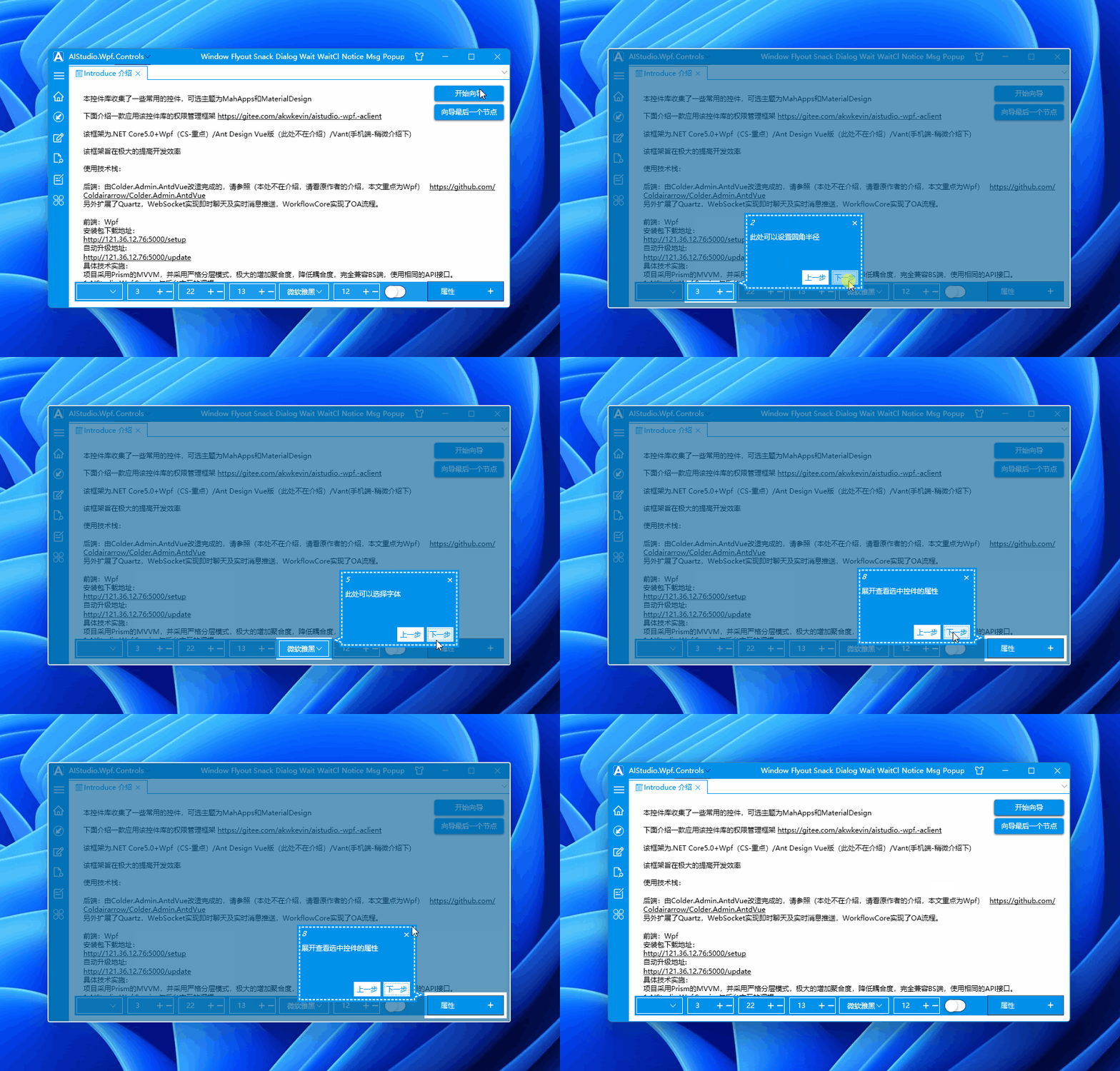

此开源项目也有参考上文(WPF 简易新手引导),并且重构为 MVVM 版本,方便绑定使用。
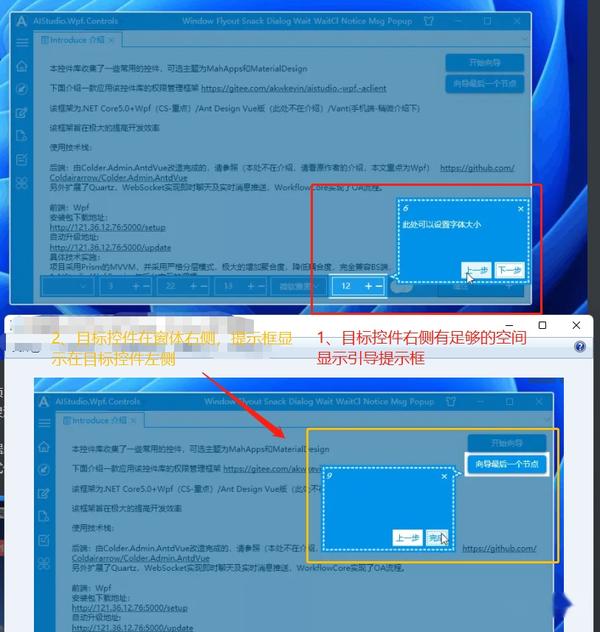
并且提示框显示的位置还跟随目标控件在主窗体中的位置灵活变换,不至于显示在蒙版窗体之外,如下图所示:
当目标控件右侧空间足够显示引导提示框时,引导提示框就显示在目标控件右侧;在右侧空间不足时,则将引导提示框显示在目标控件左侧:

案例三(本文介绍的方式)
站长根据上面的开源项目 AIStudio.Wpf.Controls 做了一个自己的版本 Dotnet9WPFControls,去掉了上一步按钮、增加标题绑定、下一步按钮内容绑定、提示框样式修改等,效果如下:
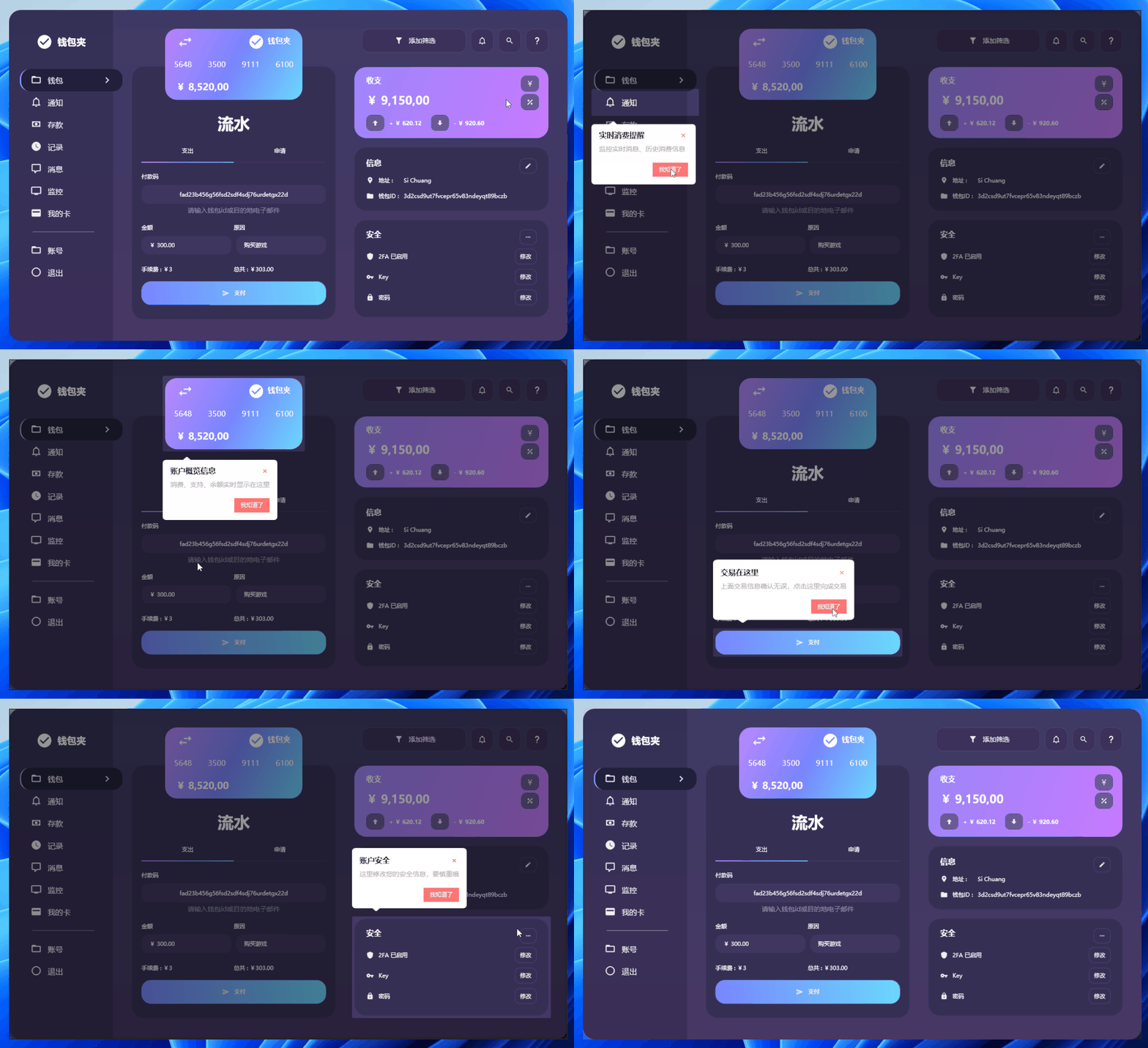

后面段落就介绍 怎么使用 Dotnet9WPFControls 添加新手引导功能,并简单提及这个自定义控件的开发细节,主要原理还是看上文 WPF 简易新手引导 哈。
希望对有需要给自己的项目添加新手引导功能的朋友有一定帮助,通过此文你也能修改出满足自己需求的效果。
2. 如何使用?
2.1 创建一个WPF项目
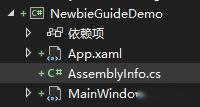
使用 .NET 6|7 创建一个名为 "NewbieGuideDemo" 的 WPF 解决方案:
2.2 引入nuget包
-
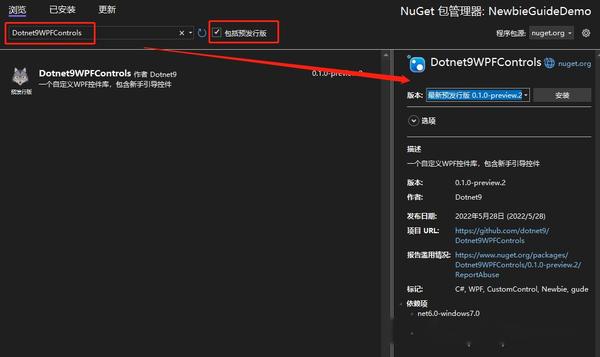
添加Nuget包1: Dotnet9WPFControls
该包提供引导控件及其样式,记得勾选“包括预发行版”,然后点击安装。

-
添加Nuget包2: Prism.DryIoc
使用该包,主要是使用 Prism 封装的一些 MVVM、IOC 功能,方便协助开发。
添加上述两个Nuget包后,项目工程文件定义如下:
             <ProjectSdk="Microsoft.NET.Sdk">
<PropertyGroup>
<OutputType>WinExe</OutputType>
<TargetFramework>net6.0-windows</TargetFramework>
<Nullable>enable</Nullable>
<UseWPF>true</UseWPF>
</PropertyGroup>
<ItemGroup>
<PackageReferenceInclude="Dotnet9WPFControls"Version="0.1.0-preview.2"/>
<PackageReferenceInclude="Prism.DryIoc"Version="8.1.97"/>
</ItemGroup>
</Project>
2.3 添加样式文件
打开
App.xaml
文件,引入 Dotnet9WPFControls 默认主题文件:
             <prism:PrismApplication
x:Class="NewbieGuideDemo.App"
xmlns="http://schemas.microsoft.com/winfx/2006/xaml/presentation"
xmlns:x="http://schemas.microsoft.com/winfx/2006/xaml"
xmlns:prism="http://prismlibrary.com/">
<prism:PrismApplication.Resources>
<ResourceDictionary>
<ResourceDictionary.MergedDictionaries>
<ResourceDictionarySource="pack://application:,,,/Dotnet9WPFControls;component/Themes/Dotnet9WPFControls.xaml"/>
</ResourceDictionary.MergedDictionaries>
</ResourceDictionary>
</prism:PrismApplication.Resources>
</prism:PrismApplication>
注意上面的根节点
<prism:PrismApplication />
,同时修改
App.xaml.cs
文件,这里不做过多说明,具体使用请参考 Prism:
             usingPrism.DryIoc;
usingPrism.Ioc;
usingSystem.Windows;
namespaceNewbieGuideDemo
publicpartialclassApp:PrismApplication
protectedoverridevoidRegisterTypes(IContainerRegistrycontainerRegistry)
protectedoverrideWindowCreateShell()
returnContainer.Resolve<MainWindow>();
2.4 定义引导信息
给主窗体
MainWindow
添加一个 ViewModel 类:
MainWindowViewModel.cs
:
             usingDotnet9WPFControls.Controls;
usingPrism.Mvvm;
usingSystem.Collections.Generic;
namespaceNewbieGuideDemo
publicclassMainWindowViewModel:BindableBase
privateGuideInfo?_guide;
publicGuideInfoGuide=>
_guide??=newGuideInfo("快速添加新手引导","这样添加新手引导,或许比较优雅");
publicList<GuideInfo>Guides=>new(){Guide};
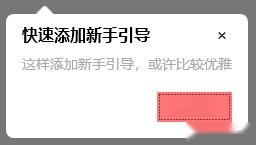
在上面的 ViewModel 中,定义了一个引导属性
Guide
,这个属性是与提示框绑定展示:
-
第一个参数定义了引导提示框的标题
“快速添加新手引导” -
第二个参数定义了引导提示框的提示内容
“这样添加新手引导,或许比较优雅”
第二个属性
Guides
, 是一个引导信息列表,可绑定多个引导信息,点击按钮即会查看下一个引导,本示例为了演示,只写了一个引导。
2.5 界面绑定引导信息
先贴上
MainWindow.xaml
所有代码:
             <Window
x:Class="NewbieGuideDemo.MainWindow"
xmlns="http://schemas.microsoft.com/winfx/2006/xaml/presentation"
xmlns:x="http://schemas.microsoft.com/winfx/2006/xaml"
xmlns:d="http://schemas.microsoft.com/expression/blend/2008"
xmlns:prism="http://prismlibrary.com/"
xmlns:i="http://schemas.microsoft.com/xaml/behaviors"
xmlns:dotnet9="https://dotnet9.com"
xmlns:mc="http://schemas.openxmlformats.org/markup-compatibility/2006"
Title="Dotnet9WPF新手引导功能"Width="800"Height="450"
prism:ViewModelLocator.AutoWireViewModel="True"
AllowsTransparency="True"Background="Transparent"WindowStyle="None"
WindowStartupLocation="CenterScreen"
mc:Ignorable="d">
<Window.Resources>
<dotnet9:BindControlToGuideConverterx:Key="BindControlToGuideConverter"/>
</Window.Resources>
<Border
Background="White"BorderBrush="#ccc"BorderThickness="1"MouseLeftButtonDown="Border_MouseDown">
<ButtonHorizontalAlignment="Center"VerticalAlignment="Center"Content="点击测试新手引导">
<dotnet9:GuideHelper.GuideInfo>
<MultiBindingConverter="{StaticResourceBindControlToGuideConverter}">
<BindingRelativeSource="{RelativeSourceSelf}"/>
<BindingPath="Guide"/>
</MultiBinding>
</dotnet9:GuideHelper.GuideInfo>
<i:Interaction.Triggers>
<i:EventTriggerEventName="Click">
<i:ChangePropertyActionPropertyName="Display"TargetName="GuideControl"Value="True"/>
</i:EventTrigger>
</i:Interaction.Triggers>
</Button>
<dotnet9:GuideControlx:Name="GuideControl"Guides="{BindingGuides}">
<i:Interaction.Triggers>
<i:EventTriggerEventName="Loaded">
<i:ChangePropertyActionPropertyName="Display"Value="True"/>
</i:EventTrigger>
</i:Interaction.Triggers>
</dotnet9:GuideControl>
</Grid>
</Border>
</Window>
下面快速过一遍。
2.5.1 引入的命名空间说明
看上面的代码,引入了
dotnet9
和
prism
、
i
三个命名空间:
-
dotnet9命名空间
引入引导控件
GuideControl
及 转换器
BindControlToGuideConverter
。
-
prism命名空间
主要用途在
prism:ViewModelLocator.AutoWireViewModel="True"
这句代码,将视图
MainWindow.xaml
与
MainWindowViewModel.cs
进行绑定,有兴趣可以看 Prism 源码,了解视图是如何发现ViewModel的约定规则。
-
i命名空间
主要用此命名空间下的触发器,事件触发属性更改。
2.5.2 几处关键代码简单说明
上面代码贴的是引导控件(自定义控件)的使用方式( 站长注 :Dotnet9WPFControls 中还有引导窗体的方式,本文不做说明,要不然太占篇幅了,请查看控件Demo GuideWindowView)。
a: 将引导控件加到容器最上层
先关注后面的几行代码:
             <Grid>
<!--这里省略业务控件布局-->
<dotnet9:GuideControlx:Name="GuideControl"Guides="{BindingGuides}">
<i:Interaction.Triggers>
<i:EventTriggerEventName="Loaded">
<i:ChangePropertyActionPropertyName="Display"Value="True"/>
</i:EventTrigger>
</i:Interaction.Triggers>
</dotnet9:GuideControl>
</Grid>
-
将引导控件加到
Grid容器最后,意图是让引导控件显示在所有控件的最上层(同一层级添加了多个控件,如果位置重叠,那么后加入的控件会显示在先添加的控件上方,呈现遮挡效果); -
绑定了前面
MainWindowViewModel中定义的引导信息列表Guides,点击下一步按钮(本文显示为我知道了)时,会按列表添加顺序切换引导信息; -
使用
i:Interaction.Triggers实现控件加载完成时,自动显示引导提示信息,见上面的 示例三效果;
b:绑定目标控件与引导属性
目标控件的引导属性与目标控件引用绑定
,引导界面显示时通过目标控件计算出目标控件的位置和大小,准确将目标控件标识出来,引导提示框定位也才能正确设置:
<dotnet9:BindControlToGuideConverterx:Key="BindControlToGuideConverter"/>
             <ButtonHorizontalAlignment="Center"VerticalAlignment="Center"Content="点击测试新手引导">
<dotnet9:GuideHelper.GuideInfo>
<MultiBindingConverter="{StaticResourceBindControlToGuideConverter}">
<BindingRelativeSource="{RelativeSourceSelf}"/>
<BindingPath="Guide"/>
</MultiBinding>
</dotnet9:GuideHelper.GuideInfo>
<i:Interaction.Triggers>
<i:EventTriggerEventName="Click">
<i:ChangePropertyActionPropertyName="Display"TargetName="GuideControl"Value="True"/>
</i:EventTrigger>
</i:Interaction.Triggers>
</Button>
如上代码引入
BindControlToGuideConverter 转换器
, 该转换器是个黏合类,将目标控件的引用添加到引导对象上,转换器具体定义如下:
             publicclassBindControlToGuideConverter:IMultiValueConverter
publicobject?Convert(object[]values,TypetargetType,objectparameter,CultureInfoculture)
if(values.Length<2)
returnnull;
varelement=values[0]asFrameworkElement;
varguide=values[1]asGuideInfo;
if(guide!=null)
guide.TargetControl=element;
returnguide;