
|
|
相关文章推荐

|
温暖的卡布奇诺 · Tkinter教程28:ttk.Style( ...· 10 月前 · |
|
|
自信的小狗 · exe文件突然需要管理员运行并且文件说明、文 ...· 2 年前 · |
|
|
俊逸的萝卜 · Introducing ...· 2 年前 · |
|
|
刚分手的牙膏 · modbus rtu如何读取数据?? - 知乎· 2 年前 · |
|
|
大鼻子的水龙头 · Python中使用ElementTree解析 ...· 2 年前 · |

miHoYo , legally known as Shanghai miHoYo Network Technology Co., Ltd. , is a Chinese video game development company established in 2012 by Cai Haoyu, Liu Wei, and Luo Yuhao. Their journey began from a shared passion for anime, comics, and games (ACG) during their university days at Shanghai Jiao Tong University, leading them to entrepreneurship. As an indie game team, miHoYo entered iOS game development in 2011 with the release of FlyMe2theMoon , which gained popularity despite financial challenges. Despite investor skepticism about the niche ACG industry in China, miHoYo secured funds from entrepreneurship competitions and an angel investment, evolving into Shanghai miHoYo Network Technology Co., Ltd. During this time, they embraced the slogan "Tech Otakus Save the World."
In 2012, miHoYo released Houkai Gakuen , a side-scrolling shoot-'em-up mobile game, marking their entry into mobile gaming. Despite early obstacles, the game's popularity laid the groundwork for future successes. The company faced significant challenges but persevered with Houkai Gakuen 2 , released in 2014, which achieved notable success on platforms like Bilibili and the App Store. By 2017, Houkai Gakuen 2 had amassed over 44 million accounts with substantial in-game transaction revenue. Building on this momentum, miHoYo announced and launched Honkai Impact 3rd in 2016, delivering a groundbreaking 3D ACG-style action role-playing game experience that achieved much acclaim, surpassing 35 million downloads after expanding to regions outside China. In 2020, miHoYo launched the action role-playing, open-world game Genshin Impact , which achieved remarkable success worldwide; it won the "Best Mobile Game" award at The Game Awards in 2021, the first time a Chinese-developed game received such honor. [ 1 ]
As a "high-tech enterprise," miHoYo places strong emphasis on technological research and innovation, with a significant portion of its workforce dedicated to research and development. The company consistently invests substantial resources in this area and has achieved notable milestones, securing numerous intellectual property rights including copyrights and software product registration certificates. [ 2 ] miHoYo has garnered industry recognition in China, with nominations like "Outstanding Game Technology Innovation Enterprise" at the 2023 China Game Industry Annual Conference [ 3 ] and awards such as "Best Innovation Game" for Genshin Impact at the 2021 China Game Innovation Awards. [ 4 ] Technological focus is reflected in the company's name. [ 2 ]
In February 2022, miHoYo unveiled [ 5 ] HoYoverse as its forward-thinking brand dedicated to crafting an immersive global virtual world experience. Launched through the Singaporean-based transnational company Cognosphere Pte. Ltd. , HoYoverse aims to provide players worldwide with a diverse range of entertainment content while simultaneously enhancing technical research and innovation. With a global presence in Montreal, Canada; Los Angeles, California, United States; Tokyo, Japan; and Seoul, South Korea, HoYoverse is poised to continue expanding content production and technology research, reinforcing miHoYo's position as a leading creator of cutting-edge virtual worlds for a global audience. [ 6 ] As of 2024, these locations collectively employ 5,000 individuals. [ 7 ]
Contents
Name origin


This recreation by the wiki shows a version of the miHoYo logo rendered in Chinese characters. It was observed by the wiki editor together with the main logo on the marketing agency Bandalabs website's partner showcase.
The inclusion of the letters "H" and "Y" in miHoYo's name is derived from the initials of the company's founders, Cai Haoyu and Luo Yuhao. [ 8 ] The addition of the letter "O" follows the pattern observed in renowned companies like Facebook, Google, and Microsoft, each featuring the letter "O." As the term "Hoyo" was already registered, the prefix "mi" was incorporated into the name. This choice was influenced by the popularity of the VOCALOID software character Hatsune Miku among otaku . [ 9 ]
History
Something New, Something Exciting, Something Out of Imagination
miHoYo's R&D Philosophy
Chinese ACG pioneers from tech otaku roots
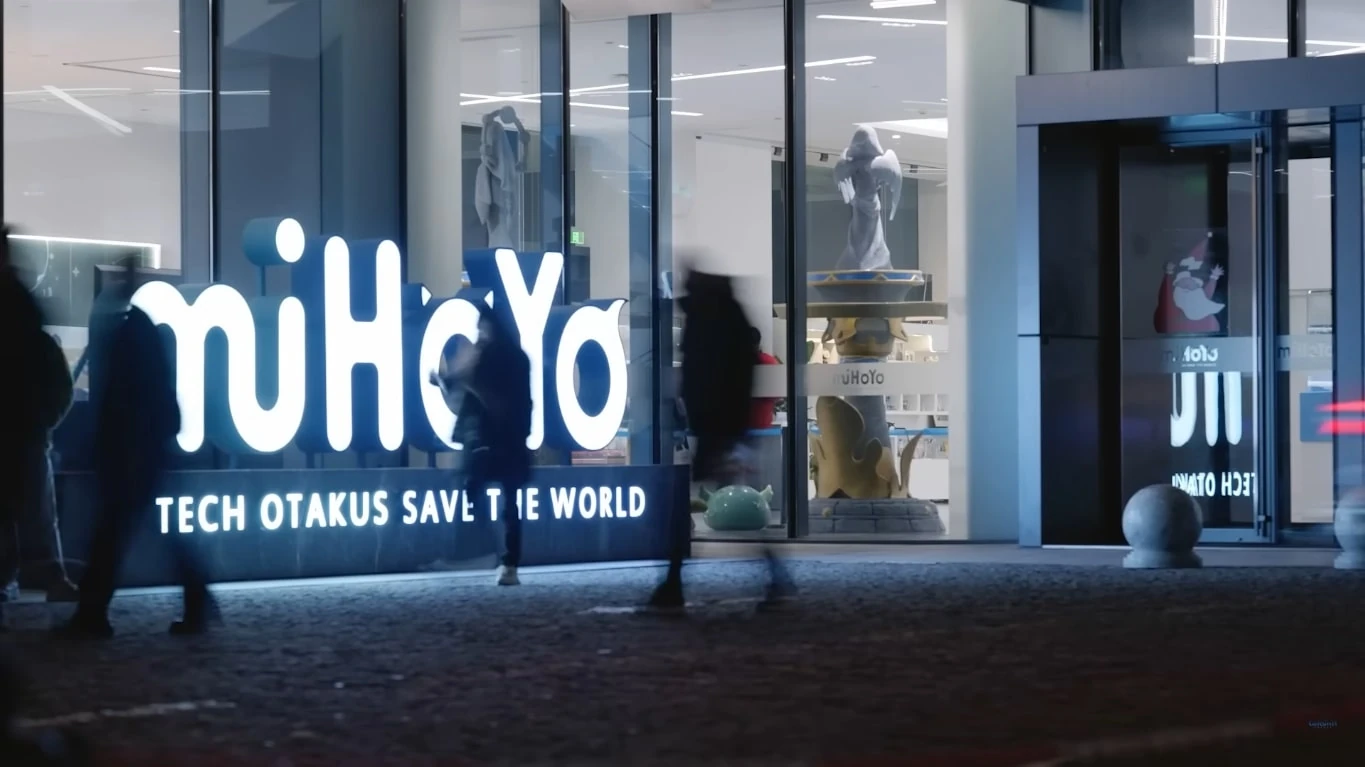

The company's Shanghai headquarters as seen in Rise of the Auspicious Beast: A Behind the Scenes Look at the Creation of Gaming .
miHoYo traces its roots back to three graduate students from the 2009 class of the School of Electronic Information and Electrical Engineering (SEIEE) at Shanghai Jiao Tong University (SJTU). The trio, consisting of Cai Haoyu ( 蔡浩宇 ), Liu Wei ( 刘伟 ), and Luo Yuhao ( 罗宇皓 ) , proclaimed themselves as "tech otaku " with a shared love for the realm of anime, comics, games (ACG). This subculture is dubbed "èr cìyuán" ( 二次元 ) in China. [ 10 ] [ 11 ] [ Note 1 ]
In the early stages, the three students primarily focused on academics and contemplated further studies or venturing abroad. [ 10 ] However, external factors, such as the 2008 financial crisis, reshaped their paths. In Liu Wei's case, his intended journey abroad was derailed by economic turmoil, leading him to pursue graduate studies at Shanghai Jiao Tong University. It marked a transformative period for him, realizing the significance of his master's degree milestone and unleashing his potential. [ 8 ]
你会看到我之所以有机会创业做米哈游,也是因为在交大的时候遇到我的两个合伙人。大家志同道合,大家愿意在一起做一样的事情,这才让我们有机会在当年初生牛犊不怕虎去创立的米哈游这家公司。
The reason I had the opportunity to start my own company, miHoYo, is also because I met my two partners [Cai Haoyu and Luo Yuhao] during my time at Shanghai Jiao Tong University. We shared the same goals and were willing to work together towards the same vision. This gave us the opportunity to establish miHoYo, a company that fearlessly embarked on its journey in the early days.
— Liu Wei, miHoYo's Indigenous Game Expands Overseas: Disseminating Culture Silently Through Nurturing
Initial collaboration, FreeWriting
In 2009, the trio created the open-source literary community project, FreeWriting . It focused on the creation of light novels in an open-source manner, [ 12 ] aiming to promote collaborative creation of fan works. The project was a web game platform built on Adobe Flash plugin technology; players could edit characters and scenes online, and share them with others. In October of the same year, it gained recognition in the Technology Innovation Competition ( 技术创新大赛 ) hosted by the Institute of Computing Technology [ 13 ] of the Chinese Academy of Sciences ( 中科院计算所 ), winning the silver award (third place overall) [ 14 ] and receiving a startup fund of 200,000 yuan. [ 10 ] [ 15 ] Shanda Games' World Zero ( 零世界 ), released in 2011 after one year of development, was based on the team's project, which was considered quite advanced at that time. [ 12 ] Later, the FreeWriting.cn domain expired in October 2013. [ 16 ]
Misato Engine and Mochi Flash Game Development Competition
In 2010, while interning at a game company, Cai Haoyu and his friends conceived the idea of creating a game they personally enjoyed. Motivated by this vision, the trio embarked on developing their own engine [ 17 ] —the Misato Engine, a 2.5D isometric game engine based on Adobe Flash technology. This engine features a standalone 3D physics engine, enabling efficient rendering and incorporating complex physical features. [ 15 ] The name "Misato" was inspired by Katsuragi Misato , a character from their favorite anime, Neon Genesis Evangelion , [ 12 ] and also happened to be Liu Wei's favorite character. [ 8 ] With enthusiasm, they naively pitched the concept of a 2.5D action role-playing game to the company's producers, hoping for approval. Unfortunately, the producers failed to recognize their vision, prompting the team to retreat. [ 17 ]
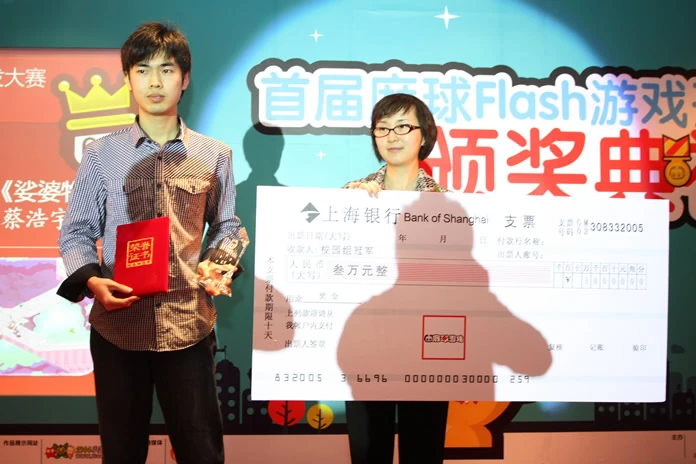

Cai Haoyu, aged twenty-three, receiving the winner check at the 2010 Mochi Flash Game Development Competition.
Later, they decided to upgrade the Misato Engine while simultaneously developing a "beauty girl shooting game" with the project codename Girls Guns NPCs —a 2.5D action role-playing shooting game with an ACG style. Using the upgraded version of the engine, the team developed a game called Legend of Saha ( 娑婆物语 Suōpó Wùyǔ ) for the Mochi Flash Game Development Competition ( 麻球 Flash 游戏开发大赛 ) held during the second China Game Developers Conference ( 中国游戏开发者大会 ) in July 2010. [ 18 ] Legend of Saha won the championship of the campus group of the competition. Cai Haoyu, representing the team, received a cash reward of 30,000 yuan and an Intel development machine worth 10,000 yuan. [ 15 ] [ 19 ] The project set the stage for their collaboration with Shanda to develop the mini-game Bubble Hero ( 泡泡英雄 ). [ 13 ] Despite an enticing acquisition offer from the company, the team opted to chart their independent course in original content creation. [ 10 ] [ 11 ]
我们后面参加了一个 Flash 开发大赛,有一家游戏公司让我们去他们公司做游戏。我当时说,可以,我要做一个什么样东西。然后他说要看一下简历,看完简历说:“你还没有毕业啊!”那后来算了。我当时想,既然要做自己喜欢的游戏,那就自己去开一家自己公司,组建自己的团队吧。
We participated in a Flash development competition afterwards, and a game company invited us to their company to work on a game. At that time, I said, "Sure, what kind of thing do you want me to create?" Then they asked to see [my] resume, and after reviewing it, they said, "Oh, you haven't graduated yet!" So, it didn't work out. At that moment, I thought, since I wanted to work on games I love, I'd better start my own company and set up my own team.
— Cai Haoyu, GameLook Game Open Day 2014
Later, in April 2011, the team was invited to participate to the next Mochi Flash Game Development Competition, hosted by the Mochi Tongji [University] Campus Club ( 麻球同济校园俱乐部 ), to do a presentation on the Misato Engine. [ 12 ] [ 20 ]
Entry into iOS gaming with FlyMe2theMoon

FlyMe2theMoon Miku Theme Song MV
In the pivotal year of 2011, when the trio of "economically poor and culturally blank" [ 21 ] students were in their second year of graduate studies, miHoYo shifted towards creating original iOS games, culminating in the release of FlyMe2theMoon on September 30th. This moe -style game, combining cute girls with elements of agile flying, puzzle-solving, and level-crossing, [ 10 ] tells of a magical girl who embarks on an adventurous journey to the moon. [ 8 ] The game's song, "Moon Trip"—composed by VOCALOID music producer Yu Jianliu ( 裕剣流 ), penned by Lemonjolly, and sung by the VOCALOID voicebank Hatsune Miku [ 22 ] [ 23 ] —was inspired by the Neon Genesis Evangelion ending song "Fly Me to the Moon,” which everyone on the team liked very much. [ 8 ] The game was developed using the Cocos2d software and the Box2D physics engine, and Jin Zhicheng ( 靳志成 ) , a fourth additional member, contributed to the game's development. [ 24 ]
During that period, the prevalent model for game downloads on the App Store involved paid downloads. Following this trend, the team also opted for a paid model, setting the price at 18 yuan per download. [ 17 ] Upon release—on the Apple iPhone platform without any promotion—the game captured attention and quickly gained popularity, reaching 3,000 downloads by November. The signed a commercial agreement with a publisher, and three days after its release, it secured a prominent spot on the front page of the Apple App Store in Japan and the United States. This marked the beginning of miHoYo's journey in original creation. [ 12 ] [ 10 ] [ 14 ] [ 13 ] [ 25 ]
Recruitment of head artist, CiCi
The fifth member, Zhang Qinghua ( 张庆华 ), known online as CiCi , joined miHoYo as the artist for FlyMe2theMoon . The team, lacking artistic prowess, scoured online platforms and discovered Zhang's work in various online spaces, including Tencent QQ, leading to a collaboration that shaped the design of Kiana Kaslana, the game's main character, created according to the team's preferences and ideals. [ 8 ] The character took its name from the mythological Roman moon deity, Diana. [ 26 ] [ Note 2 ] During the development process of FlyMe2theMoon , Zhang did much work on sequential frame animation and computer graphics. The students had limited financial resources, so there was not much negotiation with Zhang. Their partnership began online, marking the start of a collaboration that defied physical boundaries. [ 8 ] Later on, Zhang went to work with miHoYo in their male [ 27 ] university dormitory.
出门或者打水都要偷偷避开宿管。等我做完美术工作要回广州毕业时,提着行李走出宿舍的那天,宿管主动和我打招呼道别,其实她知道我不是这里的学生但也并没有赶我。这是我对上海的最初印象,挺好的。
[…] Whenever I went out or fetched water, I had to sneak past the dormitory supervisor. When I finished my art work and was about to return to Guangzhou after graduation, on the day I walked out of the dormitory carrying my luggage, the dormitory supervisor to the initiative to greet me and bid me farewell. In fact, she knew that I wasn't a student there, but she didn't chase me away either. This was my first impression of Shanghai, and it was quite positive.
— CiCi, miHoYo's 10th Anniversary: 12 Short Stories
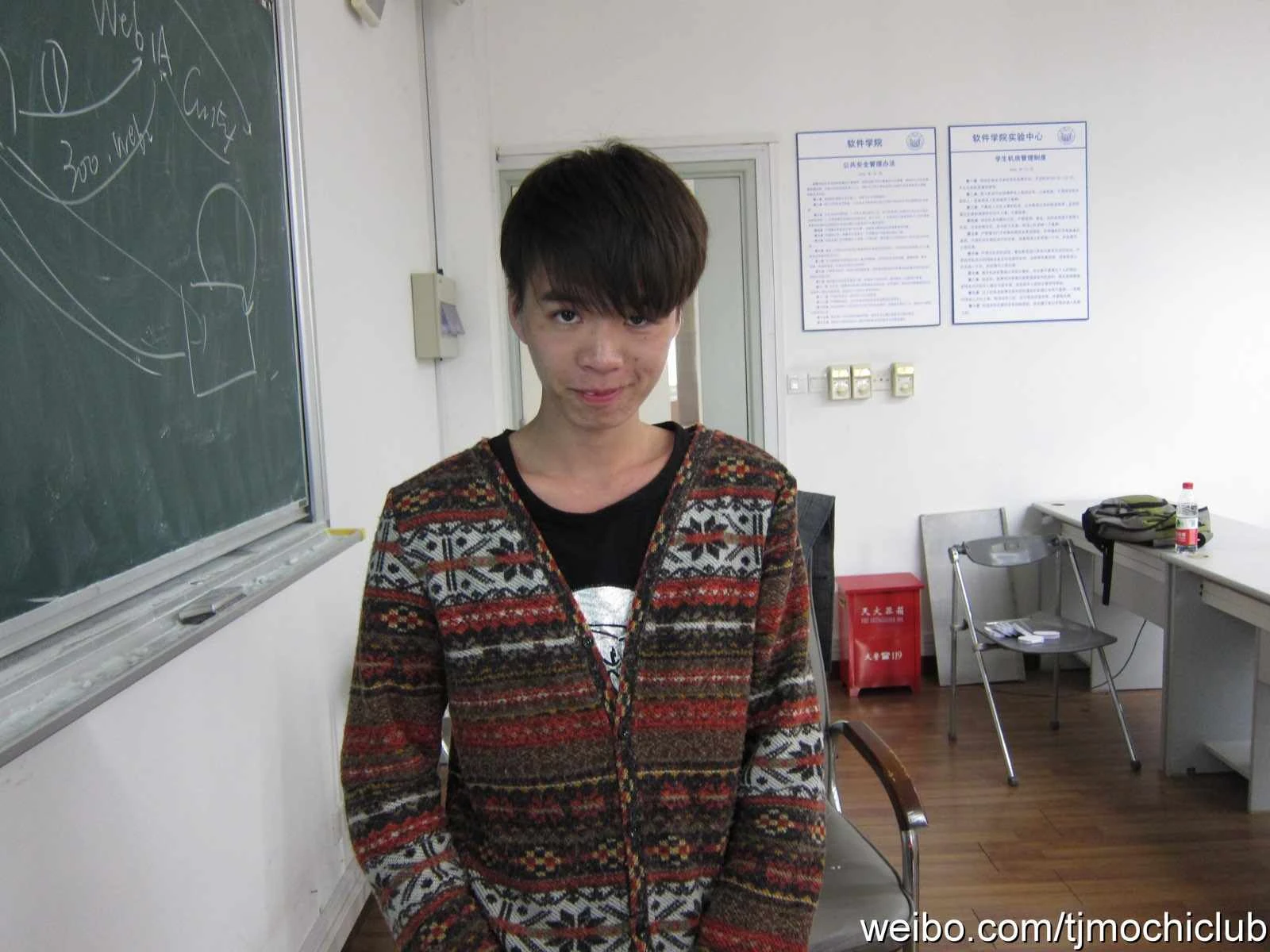

CiCi, aged twenty-three, at the Mochi Flash Game Development Competition in April 2011, where he presented the artwork in FlyMe2theMoon .
Zhang was in the second half of his senior year as an animation major at the Guangdong University of Technology (GDUT), School of Art and Design [ 28 ] and met the miHoYo team during his internship. His collaboration with miHoYo was considered an outsourcing project, though it was not the first for Zhang; at that time, he had already done many animations and other related works, which the miHoYo team had discovered online. However, they were not related to ACG. Zhang's entry into the team was not just an artistic collaboration; it marked a turning point for him personally. The character design of Kiana Kaslana demonstrated that one could transform their hobbies into a meaningful career. In the backdrop of 2011, where the term "èr cìyuán" was not as prevalent, [ 29 ] the collaboration illustrated the evolving landscape of ACG pursuits. [ 8 ]
Seeking investments
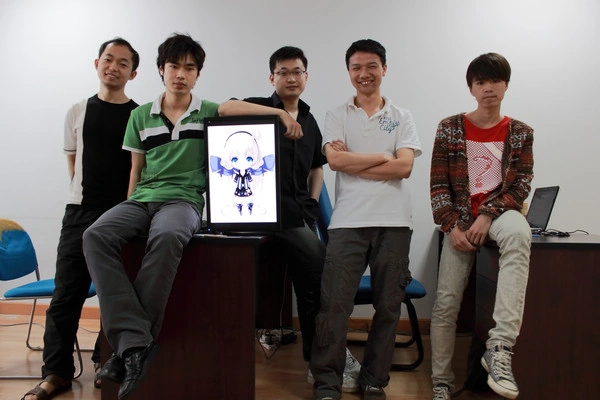

The team: Luo Yuhao, Cai Haoyu, Jin Zhicheng, Liu Wei, and Zhang Qinghua. Displayed on the tablet beneath Jin's arm is an artwork of Kiana Kaslana, the protagonist of FlyMe2theMoon .
The entrepreneurial journey of miHoYo faced challenges, with the team working tirelessly, often more than ten hours a day, seven days a week. Liu Wei's joke about living on "American time" emphasized the intensity of their dedication. [ 10 ]
Following the release of FlyMe2theMoon , the team faced financial challenges but remained determined, propelled by their passion. In this phase, Liu Wei assumed the responsibility of representing the team in the pursuit of investments and active participation in various entrepreneurship competitions for college students. In seeking investments, they faced skepticism due to the niche nature of otaku culture and the ACG industry in China. Discussing the Chinese animation industry, Liu Wei noted that it was not merely in its infancy; rather, it barely existed during that period. The screens were predominantly populated with children-oriented, low-age animations such as Pleasant Goat and Big Big Wolf , and the sectors associated with Chinese animation had yet to identify effective profit points. [ 11 ]


miHoYo's initial logotype featured a predominantly angular design, notable for the triangles above the first letter "O" and a curved stroke on the second letter "O," possibly alluding to cats—a popular element in ACG culture. [ 30 ] While this logo appeared in various colors, the primary color scheme remains #74d8f1 and #4ea4dc. This distinctive palette was retained in miHoYo's current logo design, characterized by a rounded aesthetic compared to the initial style. "Tech Otakus Save the World" is rendered in the OCR-A font.
Being a team of university students, the team was not initially held in high regard. While some investors recognized miHoYo's research and development capabilities, they attached certain conditions: either develop Three Kingdoms -themed or martial arts-themed games that had already been validated by the market, or agree to diversify into other product types. However, the miHoYo team instinctively rebuffed these demands, understanding that agreeing to such conditions would have compromised their fundamental principles, even if it could have made their survival more manageable. [ 14 ] [ 25 ] [ 31 ] [ 32 ]
虽然我们确实也非常想创业做下去,但是前提还是做自己想做的东西。如果不能做自己想做的东西,只是挣钱……那我们在当时还是很决绝的,还是要坚持做下去,大不了就是以后走一步看一步。
While we indeed wanted to continue our entrepreneurial journey, the precondition was to work on what we truly wanted to do. If we couldn't pursue what we wanted and were only focused on making money... well, we were quite determined at that time and decided to stick to our path, even if it meant taking it step by step in the future.
— Liu Wei, miHoYo's President: Making Good Games Requires Patience and Craftmanship
Xinxin Entrepreneurial Talents competition


Liu Wei, aged twenty-four, at the 2011 Xinxin Entrepreneurial Talents Competition.
Next, miHoYo joined Xinxin Entrepreneurial Talents, a six-month-long competition that attracted over 600 entrepreneurial projects, with miHoYo's entry as one of the twenty projects that made it to the grand finals. [ 32 ] Liu Wei, representing miHoYo at the finals, discussed miHoYo's entrepreneurial "virtual idol" project as a moe -style mobile game for otaku . He detailed the team's journey from university competitions, development of the Misato Engine, and collaboration with Shanda to the release of FlyMe2theMoon . Liu also emphasized the team's understanding of otaku ' s needs and the lengthy process of shaping virtual idols, intending to gradually accumulate players and fans. Last, their ultimate goal is to launch an interactive platform for better fan-virtual idol interaction. [ 12 ]
因为那个年代确实没有什么人知道 ACG ,再加上我们是一个大学生创业团队,所以基本上不太被人看好。其实包括当年的评委,我不认为大家是在嘲笑或者嘲讽我们,我只是认为大家不理解,或者说觉得,就像刚刚菊花花讲的,“这个技术宅呢有点可爱”,我觉得是这样的。
Because during that era, not many people knew about ACG, and we were a team of college students, so we weren't highly regarded. Actually, including the judges at that time, I don't think they were mocking or ridiculing us. I simply think they didn't understand or perhaps found it amusing, as Juhuahua [the interviewer] just mentioned. It was like, "Oh, this tech otaku is a bit cute." That's what I think.
— Liu Wei, Honkai Impact 3rd x Neon Genesis Evangelion Interview: Pursuit of Dreams
Judge session
In the judge interactions, Liu Wei faced various questions and feedback:
1. Qi Yuwei ( 祁玉伟 ) asked Liu Wei about the moe feeling in miHoYo's product and its relation to otaku culture. Liu explained that the virtual characters embody delicate emotional needs, with a focus on traits like tsundere . Regarding competitors, Liu mentioned Suzhou-based company Maoyumi ( 猫玉米 ) and expressed confidence in miHoYo's ability to compete due to the team's passion and technical expertise. He also highlighted their advantage in the Japanese market, emphasizing their strengths in localization and emotional impact.
2. Huang Haiyan ( 黄海燕 ) asked Liu about the future plans for miHoYo, given the competitive niche market they are targeting. Liu responded that their target audience are otaku aged 16 to 39, emphasizing that their game serves as an entry point to create a virtual idol. He mentioned conversations with investors, noting that men in their thirties also enjoy the emotional experiences offered by their games. Liu expressed confidence that, by delivering a good product and satisfying emotional experiences, they can captivate the audience of men aged 16 to 39.
3. Li Liwei ( 李立伟 ) asked about the community aspect of miHoYo's game in the moe genre. Liu explained that their focus is on creating a platform for interaction between otaku and virtual idols, emphasizing unique interactions. Regarding promotion, Liu mentioned connections with otaku communities like AcFun and Bilibili, highlighting their loyalty. He expressed confidence that, without paid advertising, a great product would gain strong support, comparing it to the enthusiasm for following new anime releases.
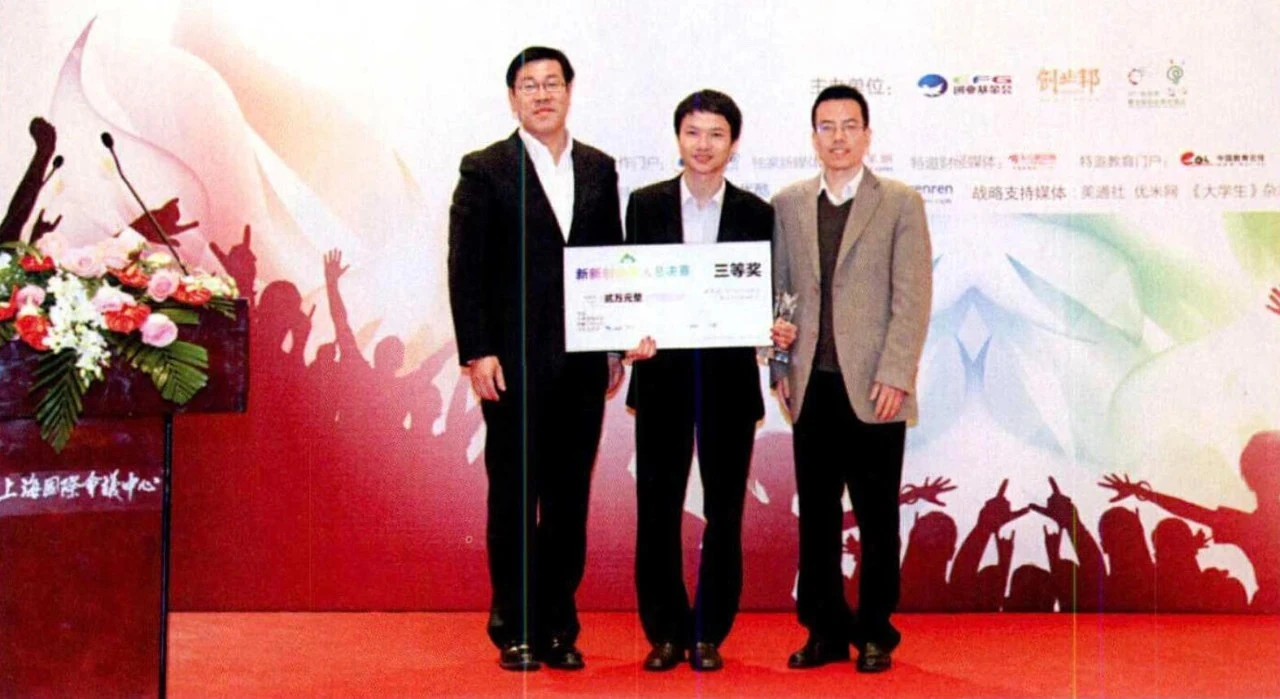

Li Liwei, Liu Wei, and Qi Yuwei posing with the winner check. [ verification needed ]
4. Shi Minjian ( 石闵建 ) asked about the differences among otaku of different age groups and the focus of miHoYo's preparation. Liu explained that otaku of various age groups have distinct characteristics, using the example of the tsundere trend. He highlighted the uniqueness of different traits, noting that younger otaku may prefer slightly older characters, while older otaku may find younger, more independent characters endearing. Liu emphasized that their moe -style girl series caters to different players and audiences with diverse tastes.
5. Mai Gang ( 麦刚 ) expressed concern about the team's limited understanding of otaku experiences beyond their own twenties. Liu emphasized the need for investors from various age groups. Mai Gang raised concerns about the distribution channel, noting that otaku gamers prefer an independent environment, posing challenges to promotion on platforms like 4399.
6. To conclude the judge interaction, Cai Wensheng ( 蔡文胜 ) acknowledged the potential market for otaku products but expressed concern about the low number of users, noting just over 3,000 downloads since the September 30th launch of FlyMe2theMoon . He emphasized the need for faster growth, suggesting considering platforms like 4399 or Renren Weibo ( 人人微博 ) and aiming for at least 1,000 downloads per day on iOS or iPad to demonstrate the product's utility. Cai also mentioned the importance of online transactions and reaching users without smartphones.
At the end of the competition in November 2011, miHoYo secured third place at the grand finals and an entrepreneurial bonus of 20,000 yuan. [ 32 ]
Move from Minhang to Xuhui District
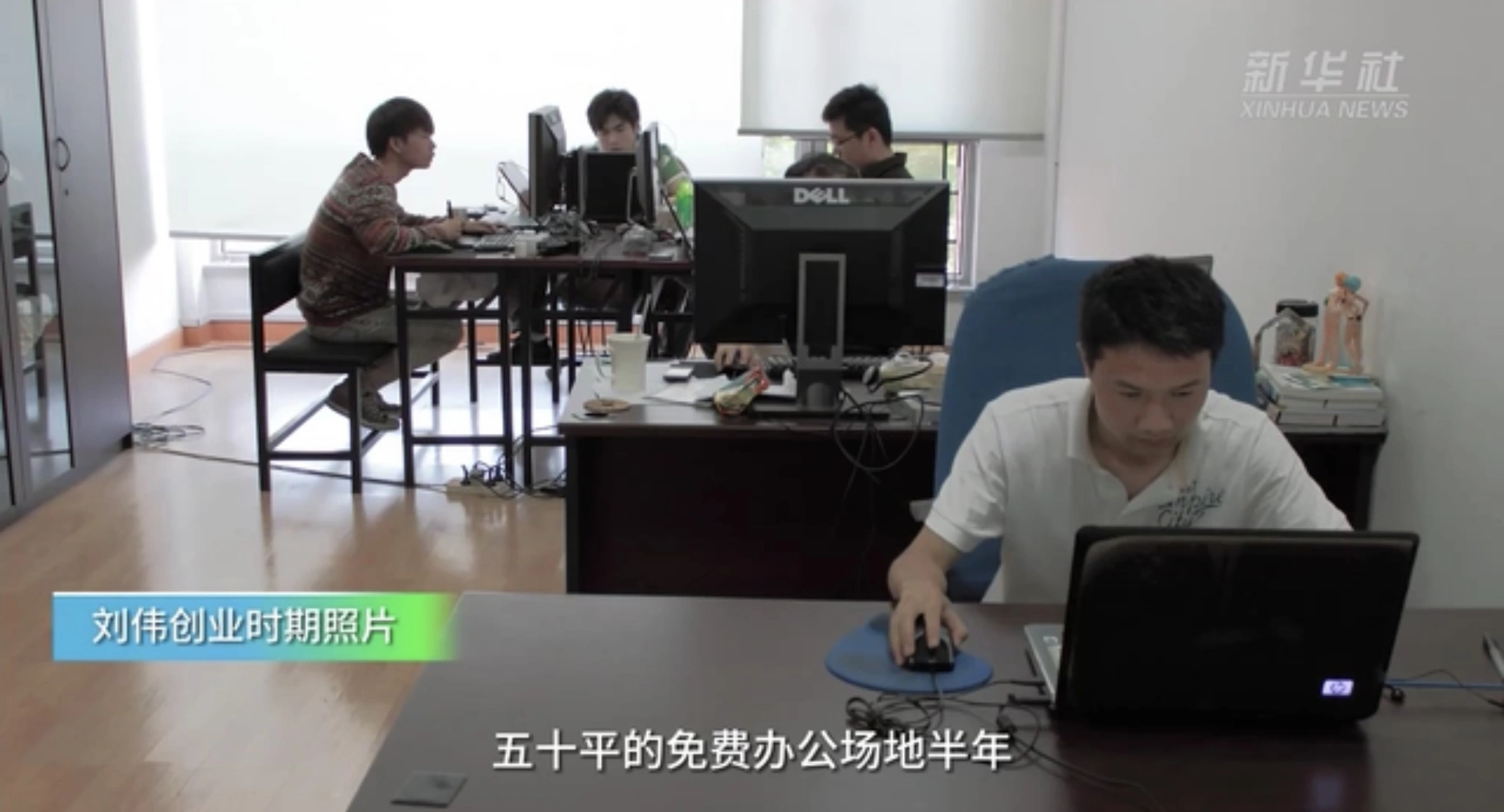

Team members engaged at their individual workstations. This snapshot was initially publicized in May 2023 through an interview with Liu Wei conducted by Xinhua News.
miHoYo received a substantial boost after applying for interest-free loans totaling 100,000 yuan from the Eaglet Project ( 雏鹰计划 ) of the Shanghai Science and Technology Entrepreneurship Center ( 上海市科技创业中心 ), which was under the government through the Science and Technology Commission of Shanghai Municipality (STCSM). Additionally, they secured a complimentary office space spanning 50 square meters for a six-month duration. [ 14 ] [ 11 ] [ 33 ] On December 1st, [ 34 ] miHoYo left behind the D32 university dormitory [ 35 ] in Minhang District [ 11 ] as they moved to the dedicated incubator for college student entrepreneurship at No. 100 Qinzhou Road in Xuhui District. [ 14 ] [ 13 ] This relocation marked their official transition from a studio to a formal company.
毫无疑问,如果没有上海创新创业的环境,其实我们是没有机会去创业的。我们能够比较游刃有余地去做全球化业务,就是因为上海什么样的人才都有。我觉得上海它是一个最好的全球化创业的地方。
Without a doubt, if it weren't for the innovation and entrepreneurship environment in Shanghai, we wouldn't have had the opportunity to start our business. The reason we can handle global business with ease is because Shanghai has all kinds of talents. I believe Shanghai is the best place for global entrepreneurship.
— Liu Wei, Cultural Creativity + Science-Technology Innovation Drive China's IP to Go Global
During this pivotal moment, Cai Haoyu introduced the slogan, "Tech Otakus Save the World" ( 技术宅拯救世界 Jìshù Zhái Zhěngjiù Shìjiè ), [ 36 ] encapsulating their ambitious vision of establishing a world-class ACG company [ 14 ] [ 27 ] [ 37 ] and serving as a guiding principle for their actions. [ 11 ]
Legal establishment and Jin's departure
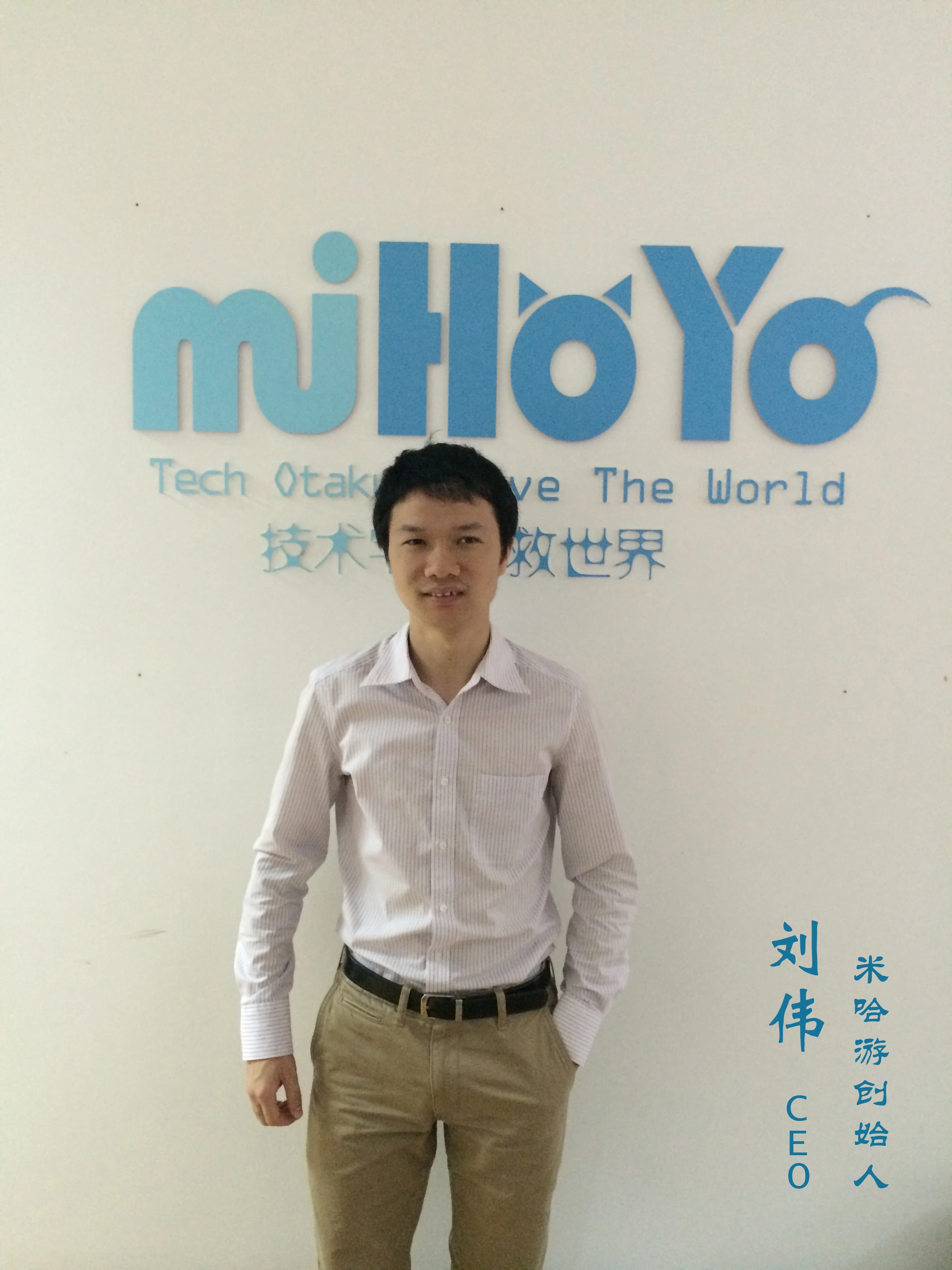

Photo of Liu Wei posing in front of miHoYo's former logo, taken in September 2014. The company slogan, displayed in both English and Chinese language, is partially obscured.
During that period, the process of company registration mandated an actual capital payment, making financial resources essential for obtaining a business license. [ 38 ] With the 100,000 yuan [ 39 ] startup capital acquired from the Shanghai Science and Technology Entrepreneurship Center, miHoYo officially registered and established the company on February 13, 2012 as Shanghai miHoYo Network Technology Co., Ltd. ( 上海米哈游网络科技股份有限公司 ) . [ 11 ] [ 40 ]
Zhang Qinghua, after serving as an artist at 4399 Network Co., Ltd. ( 4399 网络股份有限公司 ) from August 2011 to January 2012, joined miHoYo as an art director. [ 41 ]
In March, Jin Zhicheng received a job offer from Cisco Systems (China) Research and Development Ltd. ( 思科系统(中国)研发有限公司 ). With a focus on personal career stability, Jin decided to exit miHoYo, subsequently ceasing shareholdership and transferring his equity to Liu Wei and Luo Yuhao. Following his departure, Jin took on roles at Cisco and then Shanghai Fengxun Information Technology Co., Ltd. ( 上海风寻信息技术有限公司 )—companies that operated in non-competing sectors compared to miHoYo. During the first month post-establishment, Jin only served as a software developer, handling a modest amount of program development tasks. Notably, he was not involved in the company's management, and his exit had no adverse impact on miHoYo's operations. [ 42 ]
Following Jin's departure, the partnerships reverted to the original trio: Cai Haoyu, Luo Yuhao, and Liu Wei. Within miHoYo's operations, they assumed distinct roles overseeing technical direction, commercialization, and product operations, respectively. [ 11 ]
我的另外两个合伙人主要是负责产品的研发,我其实负责产品研发之外的,包括运营和公司所有的经营管理的事情。
My two other partners primarily focus on product development, while I am responsible for everything beyond product development, including operations and overall management of the company.
— Liu Wei, Looking Back on 10 Years of Entrepreneurship, Passion Dilutes Hardship
Angel investment from Hangzhou Skye
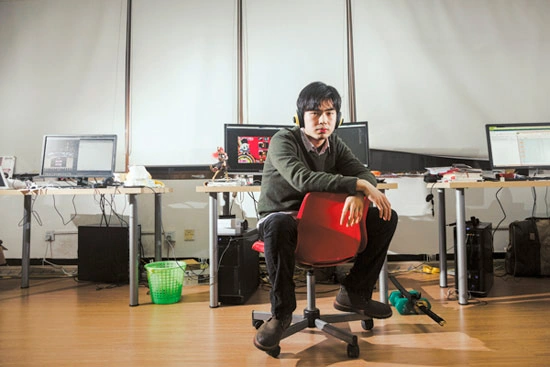

Photo of Cai Haoyu at his desk in miHoYo's studio, taken in 2013 by China Daily. When the company was established, he took on the role of CEO. [ 43 ]
After miHoYo allocated for development equipment and essential office supplies, nearly 1 million yuan was expended. The team carefully calculated their financial needs, realizing that a minimum of 1 million yuan was necessary to sustain the company for one to two years. Consequently, during the first six months post-establishment, they sought investment opportunities. Over the six-month period, [ verification needed ] they engaged with renowned angel investment institutions and investors nationwide, leveraging the credibility of the Shanghai Jiao Tong University's graduate entrepreneurship team to establish connections with numerous investors. However, their pitch, envisioning miHoYo as a world-class original animation company, was met with swift dismissal when it came to securing investment. [ 11 ]
Fortunately, the practice of mutual referrals within the investment circle provided a glimmer of hope. Eventually, through an introduction from an investment institution, they connected with Hangzhou Skye Network Technology Co., Ltd. ( 杭州斯凯网络科技有限公司 ) [ Note 3 ] —also known as Sky-Mobi—a relatively obscure entity at the time. [ 11 ] At the time, the company operated a mobile internet app store that distributed a wide range of applications. Its operations team observed strong performance metrics for miHoYo's newly launched game, FlyMe2theMoon and recommended that the investment team conduct an evaluation. Following a brief discussion, the investment team found the project promising and requested a formal proposal for review. [ 44 ] This meeting may have been the one Liu Wei had recalled, "We had a fruitful conversation, and he highly appreciated our inaugural product, understanding the passion that tech otaku have for animation." [ 11 ] Upon reviewing the proposal, the team at Hangzhou Skye considered it well-prepared. Impressed by the capabilities of miHoYo's founders and noting that they were seeking a relatively modest investment, Hangzhou Skye's founder, Song Tao ( 宋涛 ) , decided to move forward; with no objections from others, the investment was approved. [ 44 ] As a result, miHoYo secured its first and only external investment—1 million yuan [ 29 ] —and added a new shareholder on March 29, 2012. [ 42 ]
Creating Houkai Gakuen a.k.a. Zombiegal Kawaii


The first app icon design for Houkai Gakuen .
In December 2011, [ 45 ] following the release of FlyMe2theMoon , the miHoYo team faced disappointment as the game underperformed financially and revealed numerous shortcomings. Despite being a trial endeavor, the team, having established their company in February 2012, [ 8 ] sought to create a game characterized by extreme cuteness. [ 46 ] Driven by a desire to create a game they personally enjoyed, the team embarked on the development of a title that would bring them joy. Recognizing a lack of personally appealing games on the App Store's bestseller list, miHoYo resolved to produce a game that resonated with their preferences. [ 17 ] By chance, during this period of deliberation, a small game called Zombie Town emerged on the App Store, featuring a side-scrolling zombie theme that intrigued the miHoYo team. Charmed by its simple, cartoonish art style, the team contemplated transforming it into an ACG style, drawing inspiration from their admiration for the Japanese series Highschool of the Dead . [ 8 ] This convergence birthed a side-scrolling shoot-'em-up mobile game with a pronounced Japanese anime aesthetic. [ 46 ]
Commencing development in February 2012, the team refined and optimized the game to meet their quality standards. [ 46 ] Animation and world-setting development kicked off in March 2012, with content production commencing in July of the same year. [ 45 ] The concept of Houkai Gakuen ( 崩坏学园 Bēnghuài Xuéyuán ) materialized, centered around a post-apocalyptic zombie theme narrating the struggle of girls trapped in "Houkai Academy," battling against zombie girls in search of hope. The game's key features were the incorporation of cute characters, both player and non-player, and the synergy of cuteness and action as its selling points. Targeting a male player base, the game followed an all-female character lineup; [ 46 ] in contrast to the Boys' Love genre, which appeals to female audiences, otaku games place significant emphasis on featuring girls as a crucial element. [ 17 ] Avatar customization was also a focal point, offering players various styles. [ 46 ]
Zhang Qinghua, as art director, played a crucial role in achieving the desired anime-style presentation. The game's environmental art benefited from a seasoned professional with experience in Japanese animation such as Pokémon , BLEACH , Naruto , Tokyo Ravens , and Oh My Goddess! [ 46 ] As a graduate student at Shanghai Jiao Tong University, Chen [ 47 ] Tianwen ( 陈天文 ) became a member of the miHoYo team, taking on the role of the first programmer for Houkai Gakuen . Throughout the game development process, he lived in a residence rented by Liu Wei and Luo Yuhao, dedicating himself to the project even during winter breaks. [ 8 ]
当时,我们不知道游戏怎么做收费,不知道怎么做数值和系统,我们说不管它了,我就做一个核心玩法好玩的游戏,大家承认的核心玩法就 OK ,赚钱的事以后再说,赚不赚得了钱看天命。
At that time, we didn't know how to monetize the game or how to design the mechanics and systems. We decided not to worry about those aspects and focused on creating a core gameplay experience that was enjoyable. As long as the core gameplay was recognized by players, we considered it acceptable. Making money was a concern for later, and whether or not we would make money would depend on fate.
— Cai Haoyu, GameLook Game Open Day 2014
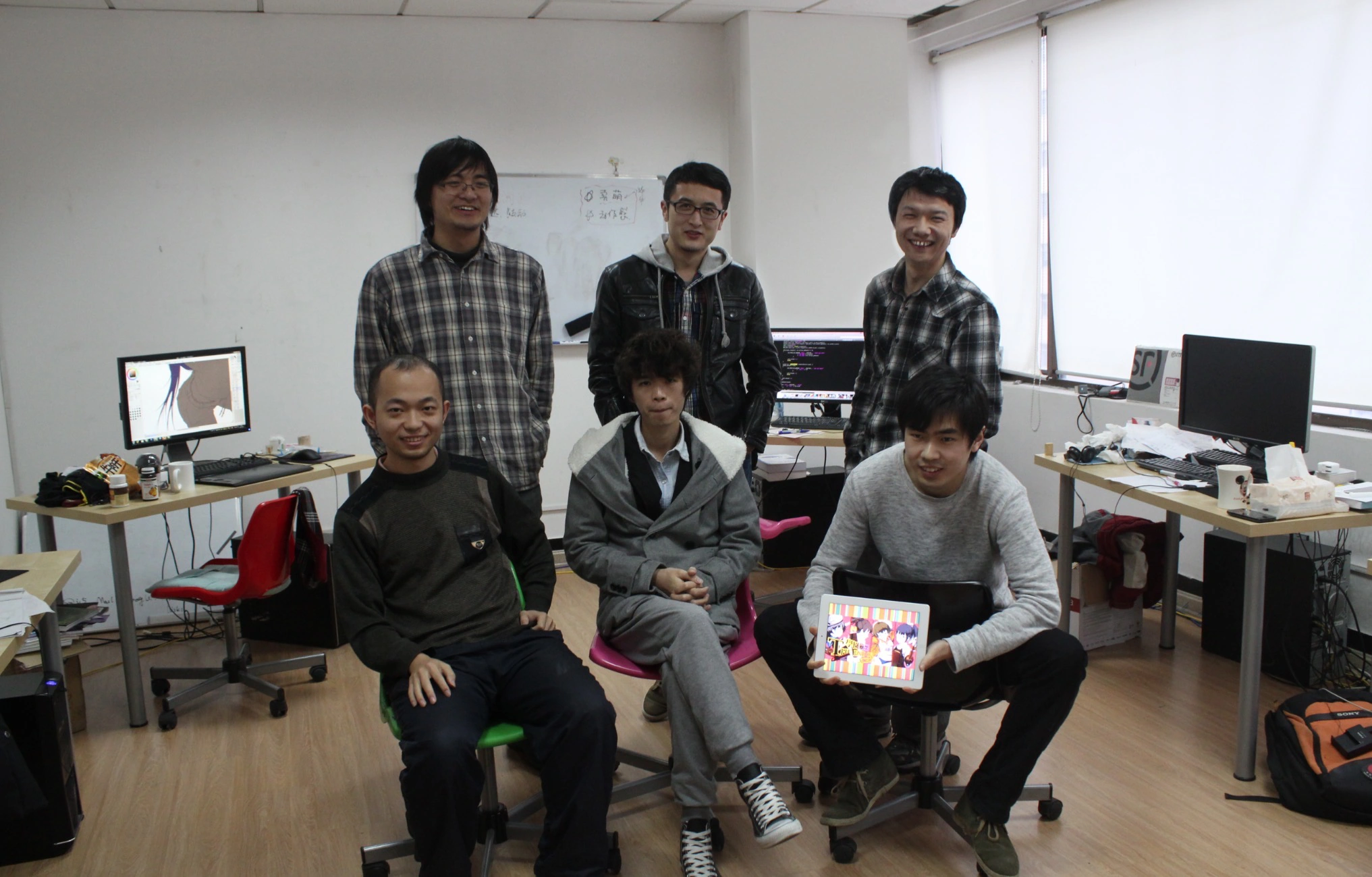

Cai Haoyu holds a tablet device displaying a Houkai Gakuen artwork. The team was composed of five ACG fans and an intern. [ 48 ]
The team dedicated three months to developing the demo for Houkai Gakuen , producing four or five iterations in the process. Despite not considering this time wasted, they viewed it as a valuable learning experience. Several demos reached significant completion, but if they failed to meet their satisfaction, the team was willing to discard them. [ 17 ] [ Note 4 ]
Cai Haoyu, emphasizing the importance of core gameplay, highlighted the challenge of replicating console-like experiences on mobile devices, particularly with action games. Despite these challenges, miHoYo persevered, simplifying while maintaining the essential excitement of an action game. [ 17 ] The core gameplay concept drew inspiration from team members' beloved games and anime, including the aforementioned Zombie Town and Highschool of the Dead , Revelations: Persona , and Lollipop Chainsaw . [ 46 ] Utilizing Unity for development, miHoYo encountered challenges with monetization and mechanics but prioritized delivering an enjoyable core gameplay experience. "Due to limited capacity, we didn't consider other factors, including how to make money. I truly didn't understand it. That's the reality of the situation," Cai Haoyu said. Their focus on gameplay recognition before financial considerations resulted in a 2D side-scrolling game where girls wielded guns. Autodesk Maya was employed for animations due to limitations in the Unity version used during development. Despite an eight-month period of refining gameplay, miHoYo felt a lack of breakthroughs. [ 17 ]
Zombiegal Kawaii Game Trailer
Upon the initial submission of the game for Apple's review, it faced rejection based on violations of Apple's guidelines 15.1 and 16.1, which pertain to violence and explicit content. [ 46 ] According to the Registered Apple Developer Agreement of 2010, guideline 15.1, found in the Violence section, explicitly states that "Apps portraying realistic images of people or animals being killed or maimed, shot, stabbed, tortured or injured will be rejected." Concurrently, guideline 16.1 under the Objectionable Content section declares, "Apps that present excessively objectionable or crude content will be rejected." [ 49 ] This circumstance posed considerable challenges. Following numerous email and phone exchanges with the Apple review team, miHoYo ultimately discovered that the rejection was attributed to the perceived cuteness of the zombie girls in the game. The setting of a high school within the game led to a misunderstanding by the Apple review team, who mistakenly believed that the "enemies" being targeted were chibi girls, deeming the content potentially too violent or gory. In response, adjustments were made to reduce some of the shooting special effects. The iterative process involved multiple modifications, with the miHoYo team undergoing three rounds of revisions for forty-eight days to meet the review criteria. [ 46 ]
Internal testing on the 91 platform [ 17 ] took place in October 2012, followed by public testing and the official release of Houkai Gakuen in December 2012 on the Apple App Store. [ 45 ] Initially priced at 6 yuan, the Android version launched in January 2013, and by February 2013, the game shifted to a charging model based solely on in-app items. [ 50 ]
Houkai Gakuen marked miHoYo's initial venture into mobile gaming, representing the company's debut in the industry. [ 50 ] The game's success contributed to the accumulation of technological expertise, market experience, and customer data, shaping the company's future endeavors. While not a major standalone revenue generator, the game garnered positive feedback within the gaming community, laying a foundation for miHoYo's subsequent projects. [ 17 ]
Post-launch anxiety and decision to continue the Honkai IP
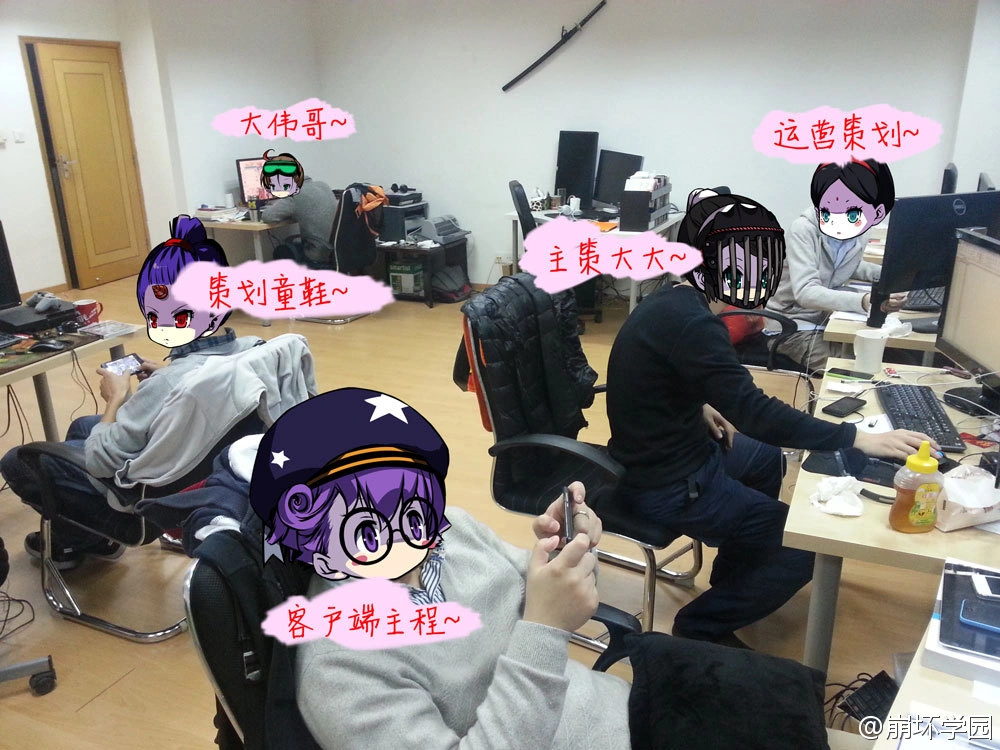

On January 26, 2014, the Houkai Gakuen 2 publicity account shared a post on Sina Weibo, saying, "The big guys in the studio are still doing the final test at 12:20 a.m."
In 2013, the miHoYo team experienced a period of heightened anxiety, characterized by uncertainties about the future and the stark realization of dwindling financial resources. [ 51 ] Despite securing angel investment from Hangzhou Skye, the challenges persisted. While Houkai Gakuen garnered some user appreciation, it failed to generate profits or attain widespread user recognition, leaving miHoYo in a state of perpetual confusion and anxiety. During this period, the team grappled with a sense of directionlessness within their industry. Dependent on investor funds with minimal profitability, they found themselves without a viable retreat. [ 29 ] [ 52 ]
The team paid themselves a monthly salary of 4,000 yuan, significantly lower than the higher earnings of their classmates who found jobs after graduation, potentially exceeding 10,000 or even 20,000 yuan. Despite this financial disparity, miHoYo chose to persist in pursuing their passion. Liu Wei emphasized the genuine connection to their work, stating, "When I talk about passion, it's not just empty words. It's something that your body honestly feels. The more you do the work you love, the more you are moved by it, and the more you are able to accept challenges and face difficult times." [ 29 ] [ 52 ]
米哈游创始人刘伟开腔 - 回想创业10年,热爱冲淡了艰苦
Facing these challenges, the entire company convened dedicated weekend meetings for several months to deliberate on the company's direction. During this time, tough decisions had to be made, and discussions centered on whether to continue developing the Honkai intellectual property or pivot towards the then-popular genre of card-based mobile games. The team also weighed the option of allocating resources to fundraising endeavors to secure the company's survival. Contrary to the intensity one might expect in discussions determining the fate of a company, the atmosphere was not as charged. This was not due to indifference but rather a lack of firm and decisive opinions among the team members. Liu Wei attributed apparent resolve to a state of ignorance, acknowledging the limited vision and understanding prevalent at that time. The outcome of multiple discussions was a consensus to focus on developing the second generation of Houkai Gakuen , placing a strong emphasis on the Honkai intellectual property. [ 51 ]
Due the challenging circumstances they faced, the company had abandoned plans for expansion and struggled to recruit new employees due to financial constraints. Existing staff, aside from the original trio, persevered out of trust in the company's vision and their passion for the work. Financially, industry conditions had not significantly improved, and attempts to secure funding had yielded minimal results. Facing a lack of convincing support from ACG enthusiasts within institutions, alternative options with longer cycles and more uncertainties were not viable. The company's size and limited funds left no room for trial and error, prompting a focus on product iteration. The miHoYo team found solace in the idea that "the right paths are often the most challenging ones," using it as a self-affirmation during challenging decisions. While the decision to persist with the original intellectual property might not have been driven by firm conviction but rather instinct, committing all efforts to develop the second-generation product was deemed a desperate move. In July 2013, following this decision, miHoYo embarked on the development of the second installment of the Honkai series, titled Houkai Gakuen 2 ( 崩坏学园 2 Bēnghuài Xuéyuán Èr ). [ 51 ]
Making Houkai Gakuen 2 a.k.a. Guns Girl Z
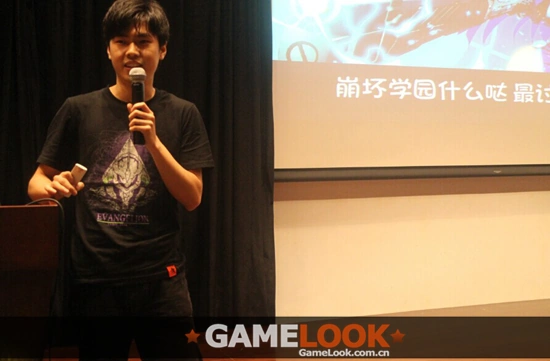

On July 6, 2014, Cai Haoyu gave a keynote speech on the topic "Sharing the Development and Promotion Experience of Houkai Gakuen 2 " at the GameLook Game Open Day event in Shanghai.
Game development for Houkai Gakuen 2 officially commenced in June 2013, approximately six months after the launch of its predecessor. The timeline unfolded as follows: server architecture design and iteration, and character development took place in August 2013; peripheral system development and world setting in November 2013; and public testing in March 2014. The development span for Houkai Gakuen 2 extended almost nine months. The notable reduction in development time compared to its precursor resulted from building upon the foundation of Houkai Gakuen . This involved sharing underlying data and artistic assets, as well as retaining the core gameplay, which expedited prototype iterations and significantly shortened the development cycle. [ 53 ]
Upon reaching the desired effectiveness in the first iteration of Houkai Gakuen , miHoYo focused on expanding and refining the core gameplay for commercial development. They aimed to bring the essence of handheld gaming to the smartphone screen. [ 17 ] miHoYo maintained a unique gameplay mechanic, even when faced with player feedback describing it as peculiar. This decision stemmed from the successful validation of the core gameplay in the initial Houkai Gakuen installment, making their creation stand out among others. [ 54 ]
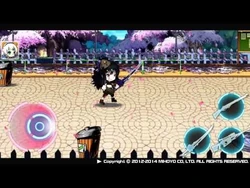
【崩坏学园2】官方PV
Houkai Gakuen 2 Official Promotional Video
Extensive data research became a pivotal aspect of game development, undertaken not out of necessity but to maintain a distinct style and cater to the dedicated fanbase. Prioritizing the core users' experience over general player base adjustments, [ 54 ] miHoYo emphasized finding an engaging core gameplay mechanic as the first step in game development. They drew inspiration from Puzzle & Dragons , reverse-engineering its underlying formulas for integration into an action game. The adaptation of the numerical system, originally from a puzzle game, successfully transformed it into a key component of an action game. [ 17 ]
Unity and Autodesk Maya were adopted for animation development, influenced by other successful teams utilizing the same technology. Despite having no prior experience with the Unity game engine, miHoYo adopted it for the development of Houkai Gakuen 2 after witnessing its effectiveness in creating smooth skeletal animations on the Apple iPhone 4. [ 55 ]
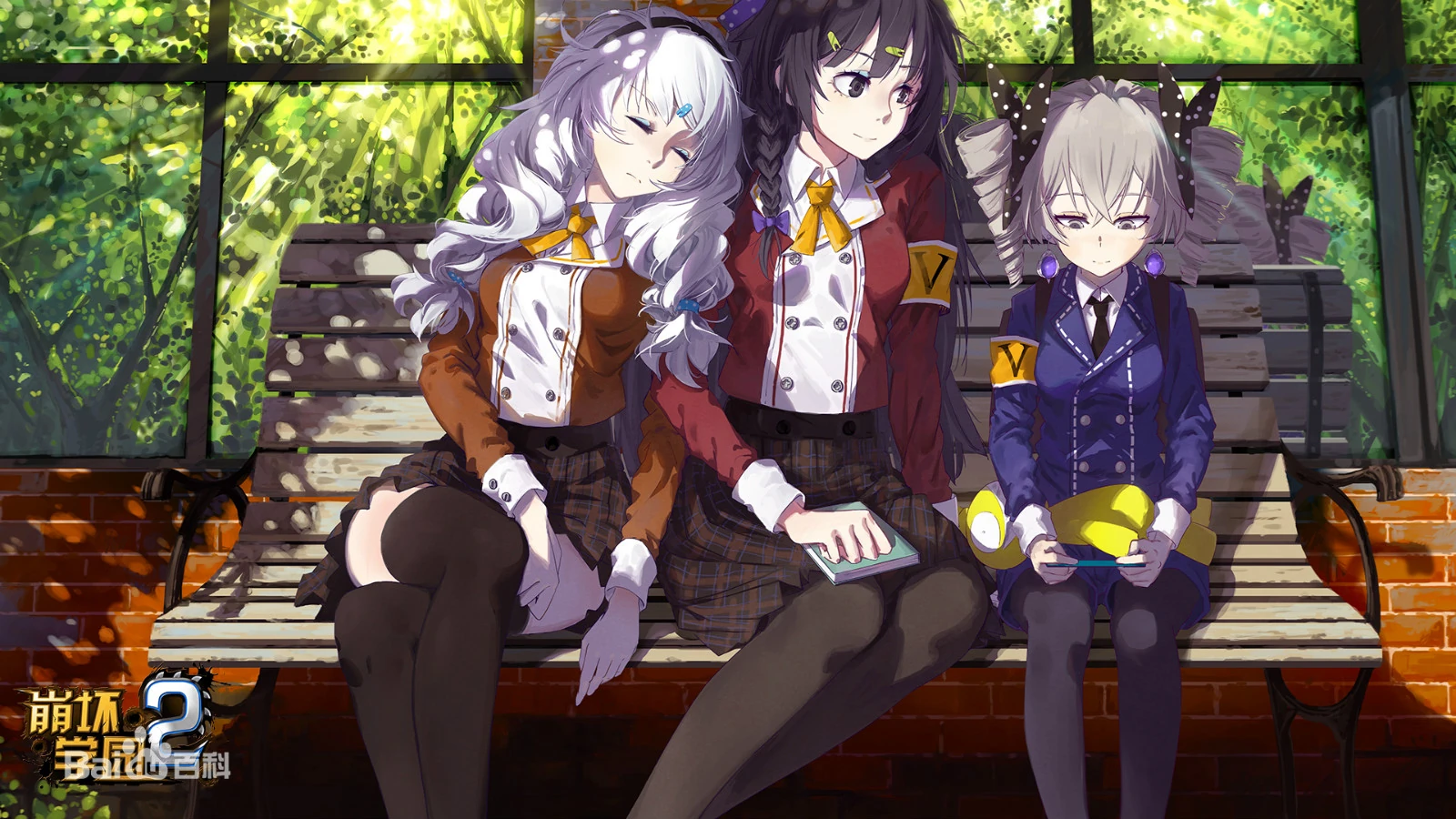

In the game, players have the option to choose from multiple characters, all of whom are protagonists from the Honkai intellectual property. The three characters in the artwork are Kiana, who has a tsundere personality; Mei, a mature older-sister type with a strong sense of caring and responsibility; and Bronya, who is curious about everything and particularly fond of pets.
In addition to developing the distinctive gameplay, miHoYo undertook an extensive expansion of the game by introducing a plethora of additional content. This included an increase in the number of weapons, growing from the original 28 to over 200, as well as a noteworthy expansion in the variety of outfits, which increased from a mere dozen to a more extensive seventy or eighty sets. Furthermore, the introduction of diverse characters significantly enriched the overall content of the game. [ 17 ]
The gameplay of adopted a side-scrolling mode, offering players intuitive control through virtual buttons. The game provided players with the option to choose from multiple characters, each equipped with upgradeable attributes, weapons, outfits, and skills. This allowed diverse and personalized gaming experiences. [ 56 ] The incorporation of numerous functional game elements and nods to Neon Genesis Evangelion —including achievement names, weapon skills, and special effects—further enriched the overall gaming experience. [ 8 ]
Houkai Gakuen 2 eliminated the download-based charging model, lowering the entry barrier for players. Simultaneously, the game content was expanded significantly, introducing various side modules, activities, and challenges. The addition of cooperative elements, such as adding friends and joining clubs, emphasized teamwork and collaboration. [ 56 ]
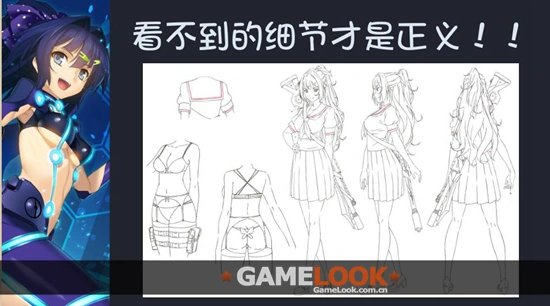

"The details that can't be seen truly matter!!"
其次是角色的设计要按照动画标准来做,把各种细节表现出来,这样才会知道这是一个御姐角色,并且还是轻微抖 S 倾向的御姐角色,她的服装、武器要很匹配,所以看不到的细节才是正义。虽然这些细节最终玩家都看不到,但是它会影响开发团队的每一个人,我们的程序看到人设文字以后,就跑过来说我很想知道这个人物是什么样子,我觉得这件事情很带感,当然当他看到这个设定图以后他也能理解该怎么样展示这个人物的动作。
Secondly, character design should be done according to animation standards, emphasizing various details. Only then can we convey that she [Raiden Mei] is a yujie [mature older-sister type of] character, and a slightly sadistic, yujie character. Her outfit and weapon should be well-matched. Therefore, the unseen details are what truly matter. Although players may not see these details in the end, they still have an impact on every member of the development team. When our programmers see character descriptions, [they] come over and say, "I really want to know what this character looks like." I think it brings a certain excitement to the process. And when [they] see the concept art, [they] also understand how to showcase the character's actions.
— Cai Haoyu, GameLook Game Open Day 2014


The current Houkai Gakuen 2 app icon design.
miHoYo's dedication to the art aspect of the game focused on a cute and moe style, aligning with the ACG culture. They emphasized the importance of long-lasting and enjoyable gameplay, highlighting the core gameplay mechanic as the primary reason players engaged with the game. The art style, characterized by a Japanese touch, and meticulous character design and attention to detail—even if unseen by players—aimed at creating an emotional connection with players and a rich, immersive world. The discussion and refinement of character traits and actions before development ensured a cohesive vision throughout the team. [ 17 ]
In terms of promotion, miHoYo pursued two key strategies. Firstly, they focused on early-stage user accumulation, particularly targeting the ACG community's core platforms, namely AcFun and Bilibili , with a specific emphasis on the latter. Bilibili, in particular, played a pivotal role, contributing to over 50% of the game's Android revenue and covering nearly 60% to 70% of the Android core user base. miHoYo recognized the importance of aligning with channels that resonated with their unique player demographic, and Bilibili emerged as a key player, boasting a core user base significantly larger than other Android markets. The second aspect miHoYo prioritized in game operations was brand accumulation. Rather than solely relying on positive feedback, miHoYo aimed to build a brand that could withstand criticism. Their aspiration was to evolve into an intellectual property, recognizing that a successful product often attracts both love and dislike. The success, in miHoYo's perspective, lies in having a distinctive feature that generates strong reactions from a diverse audience. [ 17 ]
Initial excitement and difficult game operations
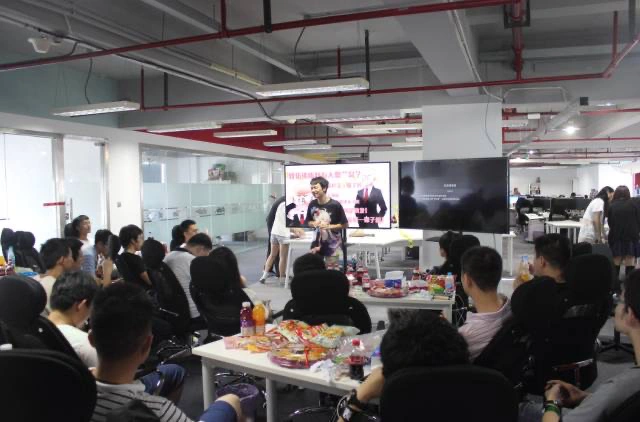

Liu Wei and fans at a Houkai Gakuen 2 fan meetup in July 2016.
On January 26, 2014, miHoYo officially launched Houkai Gakuen 2 on Bilibili, even though the platform was relatively small at that time. The first day's revenue from in-game purchases exceeded expectations, reaching approximately 100,000 yuan. This marked the beginning of a substantial revenue stream, with subsequent days seeing remarkable increases—around 200,000 yuan on the second day and an impressive 400,000 yuan on the third day, close to Chinese New Year's Eve. The success on Bilibili was described by Liu Wei as akin to "living in a dream every day." [ 8 ] In March 2014, miHoYo, now a team of twenty people, [ 48 ] launched Houkai Gakuen 2 on the App Store, which swiftly climbed the download charts for paid projects. Its release on the platforms effectively reached the ACG audience, leveraging its appealing art style. The release garnered spontaneous recommendations from fans, further solidifying its initial success. [ 14 ]
当时国内极少数人知道‘二次元’,大多数玩家接触的还是日本的动漫游戏, 但《崩坏学园 2 》在角色设计、人物台词、故事背景等方面,在二次元游戏方面做到了当时市场的极致,这也令米哈游大放异彩。
At that time, very few people in China knew about èr cìyuán culture, and most players were still exposed to Japanese anime games. However, Houkai Gakuen 2 achieved excellence in character design, character dialogues, and story background in the field of èr cìyuán games, which greatly impressed the market and made miHoYo shine.
— Liu Wei, Exploring the International Expression of Chinese Culture Through Original IP
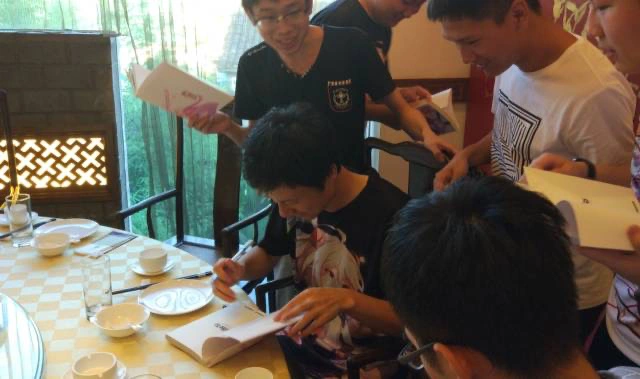

Liu Wei and fans at a Houkai Gakuen 2 fan meetup in July 2016.
The backend for in-game purchases was directly linked to Liu Wei's personal Alipay account, prompting him to check the balance daily during his free time. The excitement soared as the balance consistently increased. Liu would eagerly open Alipay, swipe to check, and rejoice as the numbers continued to rise. Experiencing the thrill of having a balance exceeding a million in Alipay at such a young age was incredibly exhilarating. This excitement persisted for about a week, coinciding with the Chinese New Year. [ 8 ] However, the excitement waned as various problems surfaced just three days after the launch of Houkai Gakuen 2 . [ 51 ]
Following the launch, servers were crashing daily, players' payments were not being processed, and numerous issues arose. Cai Haoyu found himself continuously in front of the computer, manually restarting servers every four hours due to persistent bugs. The product's numerous issues led to cases where user payments did not go through, and with no dedicated customer service representative, Liu Wei took on the responsibility of handling user complaint calls. Recounting this challenging period, Liu Wei mentioned, "At that time, I had multiple roles and responsibilities. I had to work until three o'clock at night every day just to handle the tasks for that day. I would come home and immediately fall asleep, only to wake up at nine o'clock in the morning the next day and continue working." [ 51 ] The entire year of 2014 marked the most difficult period for Liu Wei, leaving a lasting impact reflected in the whitening of his hair. [ 8 ]
While the company possessed the means to hire more personnel—being only a team of seven people during the initial game launch—the absence of dedicated Human Resources (HR) staff posed a challenge. Despite substantial revenue, there was a lack of professional finance personnel, and the absence of dedicated business development staff hindered potential collaborations with other companies. The user base's rapid growth further strained the inadequate server infrastructure. [ 51 ]
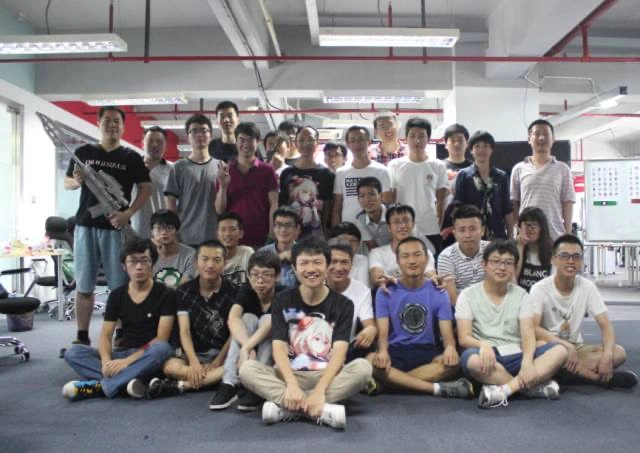

Posing with a crowd of fans, Liu Wei and one fan are seen wearing a shirt featuring an artwork of the Houkai Gakuen 2 boss character Kaguya. The shirt was obtained through a T-shirt giveaway event that took place two months before this gathering. [ 57 ]
During the early years of Houkai Gakuen 2 , miHoYo, operating as a relatively small team, refrained from extensive marketing promotions and lacked dedicated customer service staff. Promotion primarily occurred through Liu Wei's personal interactions with players in the community. Liu, acting as a "customer service girl," dedicated a year to continuous communication with users, addressing product shortcomings and developing a close friendship with players, earning the affectionate title of "Brother Wei" ( 大伟哥 Dàwěigē ). [ 26 ] As the workload became overwhelming, miHoYo recruited interested players as customer service representatives. [ 8 ] Despite encountering challenges, the player community extended tremendous support and assistance to miHoYo, demonstrating remarkable tolerance. They conscientiously backed and shielded the small team, enabling them to progress despite the difficulties. [ 52 ]
For a continuous span of three years, dating back to the initiation of their entrepreneurship in 2011, the miHoYo team, after accounting for social security and income tax deductions, received a monthly income of approximately 3,600 yuan. In order to make ends meet, they opted to rent a small 70-square-meter house, which they subdivided into three rooms. The total rent amounted to 3,900 yuan, with three team members contributing 1,300 yuan each. Their living expenses during this period primarily consisted of local snacks, Lanzhou beef noodle soup, and simple meals. Reflecting on this period, Liu Wei remarked, "That's how we lived, in the heart of Shanghai." Despite the challenging circumstances, the team never entertained the thought of giving up. However, Liu Wei acknowledged, "But if the fourth year is still the same, we might not be able to hold on." [ 27 ]
In 2014, miHoYo's annual revenue surpassed 100 million yuan, underscoring the success and growth of the company during that year. [ 29 ] By the end of 2017, Houkai Gakuen 2 had accumulated over 44 million accounts, with total revenue from in-game transactions exceeding 1 billion yuan. [ 14 ]
Making the third game, Honkai Impact 3rd

The current Honkai Impact 3rd app icon design.
In July 2014, during miHoYo co-founder Cai Haoyu's keynote speech at the GameLook Game Open Day event, it was announced that miHoYo was developing the third installment of Houkai Gakuen , expected to be released in 2016 [ 17 ] under the title Honkai Impact 3rd ( 崩坏 3 Bēnghuài Sān ). This new product is part of the Honkai intellectual property , linked to Houkai Gakuen 2 through a parallel universe concept. [ 58 ]
正好,借机会反映一下:咱崩 3 的标题字母打错了…当时刚下载崩 3 看开场 CG 觉得超震撼 , 正心想:“哇!逼格好高啊!简直不能更赞 ! ”。直到标题打出来“崩坏 3rd-HONKAI IMPACT ”,突然感觉逼格低了两个档次(哭笑不得)而且日语配音嘛 ... 也不知道是不是和声优那边工作交接出了问题?违和感太强…不过这个不排除是我主观判断偏差的可能。总之标题打错字什么的还是有必要改的吧。
Zhihu user: By the way, taking this opportunity to reflect: the title letters of [the game] were misspelled... When I first downloaded Honkai Impact 3rd and watched the opening animation, I was totally amazed. I thought to myself, "Wow! This is so high-end! Absolutely fantastic!" But then when I saw the title written as "崩坏3rd-HONKAI IMPACT," suddenly I felt like the sophistication dropped by two levels (a mix of laughter and tears). And the Japanese voice acting... I'm not sure if there was a problem with the handover of work with the voice actors? It feels so out of place... But maybe this could just be my subjective judgment error. Anyway, it's still necessary to correct the misspelled title, isn't it?"
honkai 是自造词,特指崩坏故意没有使用 houkai ,就像 kaiju manga 等之类的
Cai Haoyu: "Honkai" is a coined word, specifically referring to "bēnghuài" and intentionally not using "houkai," similar to terms like "kaiju manga."
— Zhihu interaction

Shortly after the release of Houkai Gakuen 2 , miHoYo conceived a new project to "take their technology and art to the next level," [ 59 ] aiming to deliver a fresh experience to players. [ 58 ] As avid gamers themselves, they sought to create a more realistic and impressive ACG experience on mobile devices, aiming for a 3D game with lifelike proportions. Despite widespread efforts in 3D ACG-style games, the outcomes often fell short of expectations, especially in replicating the intricacies of ACG art. [ 59 ] During the development of Houkai Gakuen 2 , hardware limitations hindered achieving full 3D capability. With Honkai Impact 3rd , miHoYo anticipated hardware improvements that would align with their ambitions, leading to the project's commencement. The goal with Honkai Impact 3rd was to create a mobile game that could rival console experiences, particularly significant in China where console game development faced regulatory constraints, limiting the company's expertise in this area compared to mobile and PC game development. [ 60 ]
The project officially began in June 2014, a month prior to GameLook Game Open Day, with the initial focus on refining core gameplay elements in the first six months of production. [ 17 ]
By March 2015, miHoYo had commenced work on independent engine development and character design. The game utilized a rendering engine developed in-house, incorporating various proprietary technologies such as 3D modeling, skeleton binding, action modeling, camera control, and physics engine technologies tailored for mobile platforms. miHoYo's animation system simulated realistic character actions and destruction effects. The visual style of Honkai Impact 3rd was achieved using Unity 5.0 to render 2D cartoon-style graphics with 3D character models and scene rendering. [ 61 ]
miHoYo drew inspiration from classic action console games like Bayonetta and Devil May Cry . The character Bayonetta, renowned for her Bullet Arts combat style, combines melee strikes with an extensive array of firearms. The goal was to deliver a top-tier 3D action experience to mobile platforms, immersing players in the Honkai intellectual property. Efforts were concentrated on seamlessly integrating story cutscenes into the game's progression. Adapting console-level control and combat to mobile presented a significant challenge. Games like Bayonetta employ complex combos and utilize multiple weapons with controller-based input, a standard in console action gaming. According to Liu Wei, translating this experience to mobile, restricted by virtual joystick controls, posed a formidable obstacle. Extensive work was dedicated to balancing simplified controls while preserving the depth and excitement of console-style action. [ 62 ] Honkai Impact 3rd also adopted familiar gameplay and control mechanics from miHoYo's previous titles, allowing players to freely select skills and attack modes for a dynamic and diverse gameplay experience. [ 61 ]
In developing the 3D aspect of the game, miHoYo drew inspiration from Guilty Gear XX and its 3D rendering techniques. They aimed to achieve a hand-drawn, 2D-style aesthetic even within a 3D environment, culminating in the creation of a 3D action game. The company's overarching goal is to consistently exceed player expectations, whether through transitioning from 2D to 3D visuals or evolving from level-based gameplay to an open-world format. The journey has been rife with challenges. Initially, the developers lacked experience in 3D development, and later, when venturing into open-world design, miHoYo faced a shortage of personnel with relevant expertise. Nonetheless, surpassing player expectations remained a steadfast objective. [ 8 ]
The development process for the game's first character, Kiana, exemplifies the dedication required. From concept art to modeling and animation, refining Kiana's design took approximately six months. After completing this stage, it was scrapped and the developers started anew. Liu Wei described the process as "lengthy and challenging," ultimately leading to the game's "current system." [ 8 ]
After a year of prototyping and establishing core gameplay mechanics, [ 59 ] content production began in October 2015, with a focus on enhancing gameplay impact through refined action design and detailed mechanics, building upon the foundation laid by Houkai Gakuen 2 . Internal testing occurred in April and September 2016, as indicated in miHoYo's 2017 initial public offering (IPO) prospectus, [ 61 ] during which the game was optimized for various Android devices. [ 59 ] During beta testing, miHoYo received substantial assistance from fans, who contributed to localization optimization, provided guides, and participated in surveys, yielding valuable feedback for the development process. [ 62 ]
Post-release success, company growth
From its initiation in June 2014 until its conclusion in October 2016, the primary development and operational phases of Honkai Impact 3rd spanned two years and four months. The game quickly gained market and player recognition upon its launch, [ Note 5 ] particularly within the otaku communities of China and Japan. [ 63 ] Honkai Impact 3rd was featured prominently on the official Apple homepage and recommended as an app of the week shortly after its debut on the App Store. Praised for its use of next-generation cartoon rendering technology and exceptional production quality, the game was regarded as an industry benchmark. [ 25 ] [ 61 ] Following its launch, Honkai Impact 3rd achieved one million downloads in Japan within 11 days. Subsequently, the game expanded its reach to other regions including Korea, Southeast Asia, Taiwan, and China, ultimately surpassing 35 million downloads. [ 62 ]
Honkai Impact 3rd is free-to-play, aligning with miHoYo's goal of promoting ACG culture and the Honkai intellectual property to a wide audience of fans. This decision was made to ensure accessibility and emphasize the overall experience for players. The aim was to foster genuine enthusiasm and connection with the intellectual property and its characters, prioritizing player enjoyment over obligatory in-game mechanics. [ 62 ] However, the game employs a pay-by-item charging model. By June 2017, the game had garnered over 22 million registered accounts and generated total recharge revenue exceeding 1.1 billion yuan. [ 61 ]
The game's update cycle is approximately every one and a half months, and miHoYo actively engages in offline events and brand marketing initiatives, including banner and video advertisements, to expand the game's reach and attract new players. [ 64 ] According to Liu Wei, the update cycle for miHoYo's games is approximately every one and a half months, reflecting the company's long-term strategy for all its products. Three years after the launch of Honkai Impact 3rd , the game showed continuous growth in both local and international markets, not only in revenue but also in the number of daily active users (DAU). As miHoYo produces very few games, they invest significant human resources into ongoing development. They approach product updates not as traditional game companies do but more like delivering new content, akin to episodes of a television show. For example, a game's update cycle of every one and a half months—with each update introducing new stories, characters, and gameplay—resembles producing a television series. This episodic mindset has been central to their approach since then. After all products are launched, their investment will only increase, not decrease. Liu Wei remarked, "We were very generous in the early stages, but now we can't change it back." [ 65 ]
When Honkai Impact 3rd was launched, the entire development team consisted of about 60 people. [ 65 ] By April 2017, there was some growth with approximately 70 to 80 employees involved in developing the game. [ 64 ] Initially, miHoYo had not foreseen the need for such a large-scale development effort, initially targeting a team size of around 20 to 30 individuals. However, as the project progressed, the team expanded significantly beyond their initial expectations. [ 60 ] Some of these developers had prior experience at globally renowned studios like Electronic Arts . [ 63 ] In May 2018, miHoYo's employee count rose to around 200, with 100 of them involved in research and development. [ 62 ] By March 2020, the Honkai Impact 3rd development team had reached nearly 400 people. [ 66 ]
"Pay for love" and "mainline reset" approaches
Sometime after the launch of Honkai Impact 3rd , miHoYo had decided to employ a strategy known as a "mainline reset." Games are launched with numerous gameplay elements presented simultaneously, which can sometimes overwhelm new players. To address this, the mainline reset gradually introduces features. When newcomers enter the game, not all features are immediately available; instead, the game gradually unfolds the entire storyline and fictional world bit by bit. Story nodes and feature nodes are slowly revealed, reducing the learning curve and complexity for new players and enhancing their overall experience. [ 67 ]
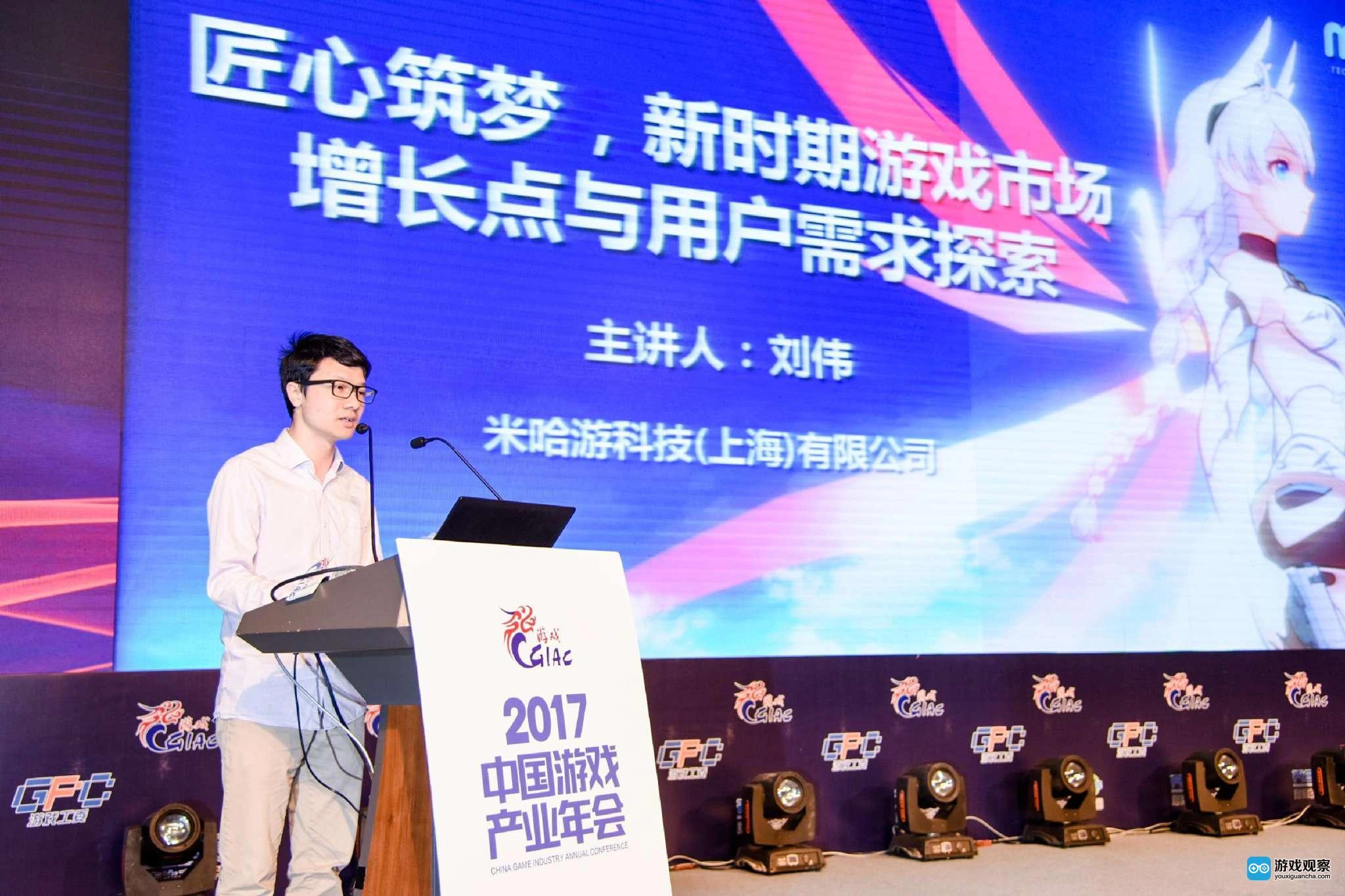

Liu Wei carrying out a speech at the 2017 China Game Industry Annual Conference.
According to Liu Wei, miHoYo aimed to make love the driving force behind monetization in their ACG-themed games. As fans of the ACG world themselves, they enjoy immersing in the world of characters and are willing to pay for their love for these characters. This approach contrasts with mainstream games at the time, which relied heavily on competitive rivalry and antagonism for monetization. To achieve the goal of having users "pay for love" ( 为爱买单 wèi ài mǎi dān , "paying the bill for love" ), miHoYo carefully considered the introduction of new characters, focusing particularly on their distinct designs. Additionally, they emphasized storylines and creating a rich, immersive experience for users. Consequently, the Honkai series has included light novels, comics, and music from its inception. These elements are not just part of the game but collectively form the entire intellectual property. Liu added that a good intellectual property game shouldn't merely consume the intellectual property; instead, it should help create more content and value for the intellectual property. [ 68 ]
他们会为自己喜欢的东西去支付一定的价钱,就是说,你会看到这样一群用户,他会愿意为自己喜欢的一些角色或者自己喜欢的动画去买一些看起来性价比不是那么高的东西,但是本身能够为他自己带来很强的愉悦感的东西。他会更追求精神层面的愉悦。其实,我觉得这是可能不同于其他用户的一个特点,就是他们会为爱去买单。
They are willing to pay a certain price for the things they love. In other words, you will see a group of users who are willing to buy things related to their favorite characters or animations. These items may not have the best cost-effectiveness, but they bring a strong sense of pleasure to the individual. They prioritize the satisfaction they derive from the emotional aspect. I believe this is a characteristic that sets them apart from other users—they are willing to pay for love.
— Liu Wei, CCTV news coverage in February 2016
Genshin Impact


The current Genshin Impact app icon design.
When Honkai Impact 3rd was released and achieved notable success in September 2016, miHoYo began to consider the direction of their next project. Over the following six months, they focused on enhancing their core development capabilities and aimed to deliver a higher-quality product in the future. Honkai Impact 3rd marked miHoYo's first venture into 3D gaming, showcasing a significant advancement in production techniques compared to its predecessor, Houkai Gakuen 2 . However, the team pondered their next steps to achieve a significant leap forward. [ 69 ]
In the first half of 2017, the team faced anxiety as they deliberated on a project that is "exciting" and "out of imagination" as within their research and development philosophy. They revisited the fundamental question, "What sort of game would we want to play?" During this period, they were particularly engaged with open-world games, which featured vast worlds and exploration experiences that were beyond expectations. [ 70 ] The core gameplay of a vast open world, emphasizing freedom, aligned with one of miHoYo's principles: "Out of Imagination." They envisioned creating a cross-platform game, allowing players to explore a world using different devices. [ 71 ] [ 72 ] Motivated by their enjoyment of these games, they decided to develop an open-world game themselves. This decision marked the beginning of a new project in January 2017, [ 69 ] [ 73 ] although they soon realized the complexity of creating an open-world game, [ 70 ] which exceeded their expectations. [ 34 ]
During the pre-conceptualization phase from January to June 2017, miHoYo experimented with several prototypes, recognizing the challenges of developing an open-world game from scratch. Cai Haoyu, the producer of the new project, had extensive experience as a player, having spent over 200 hours on games like The Elder Scrolls series and others such as Grand Theft Auto , Fallout , Saints Row , Assassin's Creed , and The Witcher . Despite his gaming experience, the development team's knowledge of open-world game development was as limited as when they first ventured into 3D games with Honkai Impact 3rd . [ 69 ]
miHoYo sought to create an open-world game due to the genre's ability to provide a vast worldview and a high degree of freedom in exploration, offering a truly immersive experience for players. When they decided to start the project in 2017, they faced significant challenges, especially as they aimed to develop it for mobile platforms, an endeavor not previously undertaken. Historically, most open-world games were developed by console manufacturers with their own studios, proprietary game engines, sophisticated toolchains, and mature development pipelines. miHoYo lacked these resources, making the technical aspects of the project particularly difficult. Ultimately, they reached a compromise by collaborating with Unity 3D. miHoYo purchased the full source code of the Unity engine and modified it to support open-world development. [ 74 ] This enhanced engine offered better rendering performance, smoother action representation, and more multiplayer gameplay features, [ 75 ] aligning with the goal of achieving console-quality standards on mobile platforms. [ 63 ]
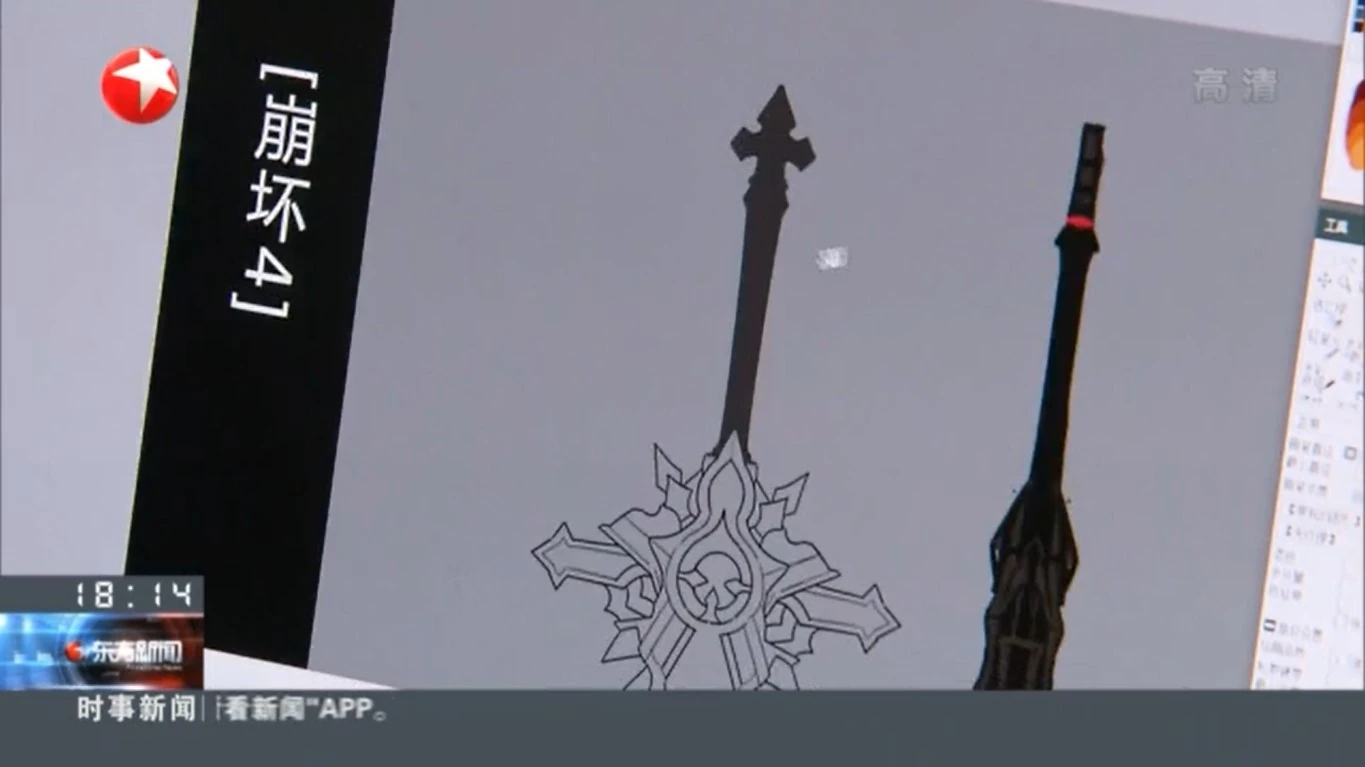

A televised news coverage by Shanghai Dragon TV in January 2019 showcased much of the early development of Genshin Impact , then under the working title Honkai 4 , with close-ups of computer screens displaying the game's development and character designs. One part showed the ongoing illustration of Wolf's Gravestone, an equippable weapon in the game.
The project, later named Genshin Impact ( 原神 Yuánshén ), had the tentative [ 63 ] internal title "Bēnghuài Sì" ( 崩坏 4 ). [ 76 ] miHoYo initially envisioned a team of 150 people completing the development of Genshin Impact in two years. However, as the team had no experience with open-world game engines and related issues, it took a total of three and a half years from project initiation to the official release. [ 34 ] By June 2019, over 300 people had joined the development team. [ 69 ] By March 2020, the team had grown to over 400 members, [ 34 ] [ 66 ] [ 77 ] and by April 2020, it had increased to over 500. [ 78 ] [ Note 6 ]
Zhang Qinghua served as the senior art director of this project. [ 79 ]
但米哈游做游戏的初衷就是要 "out of imagination" ,所以 17 年的时候,我们就想,如果有一天,有一款可以不受设备的限制,在不同平台都能玩到的,自己也好,和朋友一起也好,去自由探索更大、更美、更具异国风情和诗意的开放世界游戏,一定很有意思。
However, miHoYo's original intention in making games was to be "out of imagination." So in 2017, we thought, if one day there could be a game that is not limited by devices, playable on different platforms, whether alone or with friends, allowing for the free exploration of a larger, more beautiful, more exotic, and poetic open world, it would certainly be very interesting.
— Liu Wei, The Adventure Comes to PlayStation®4 on September 28


A demonstration of Chongyun's Normal Attack skill "Demonbane" and Elemental Burst skill "Spirit Blade: Cloud-Parting Star" while in combat with Pyro Slime enemies.
Genshin Impact had its first beta testing in June 2019, focusing on testing the game's core gameplay mechanisms. [ 80 ] In terms of gameplay, miHoYo drew inspiration from various sources: the mission systems of video game company Bethesda, the random events in Grand Theft Auto , and the world exploration of The Legend of Zelda: Breath of the Wild , a game which the development team held in high regard. [ 81 ] [ 82 ] They aimed to create a different combat experience compared to Honkai Impact 3rd . Presentations by Naughty Dog at the Game Developers Conference provided valuable insights, particularly in integrating strategic elements of combat as seen in Divinity: Original Sin . [ 69 ] For the storyline, miHoYo aspired to create a universe akin to the Marvel Universe, where intersecting storylines and expansive narratives would transcend their previous works. [ 76 ]


A demonstration of Venti's Elemental Burst skill "Wind's Grand Ode" while in combat with Cryo Slime enemies.
The COVID-19 pandemic in early 2020 directly impacted miHoYo, causing delayed resumption of work and inefficiencies, which greatly affected overall progress. Research and development, a significant portion of miHoYo's business, were difficult to conduct remotely due to the nature of tasks involving artistic materials, including 3D models and animations, which could only be performed on the company's internal platforms. Liu Wei noted that for many employees, working from the office was essential. By mid-March, employee attendance at miHoYo had recovered to over 90%. The development and promotion of many products, including Genshin Impact , were delayed by at least a month. Genshin Impact ' s retesting phase was postponed from mid-February to mid-March. As an "international product," participating in exhibitions and going global was crucial for the game, but almost all exhibitions in the first half of the year were canceled due to the pandemic. [ 66 ]
The third beta testing took place in July 2020, [ 83 ] and the game was released on September 28, 2020. [ 84 ] By the end of 2020, the total development cost for the game exceeded 100 million USD. [ 34 ]
Genshin Impact as a new IP
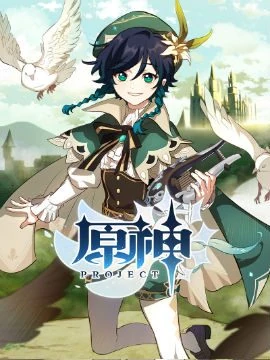

The cover of Yuanshen Project features Venti, one of the initial characters in Genshin Impact , set against the backdrop of Mondstadt, the first region in the fictional world of Teyvat that players explore.
In December 2017, Liu Wei addressed the possibility of a completely new work unrelated to the Honkai series, stating that "future releases are planned to use the same intellectual property, but the gameplay will be entirely new and developed from scratch." [ 58 ] He had also expressed—in a separate interview—miHoYo's interest in developing other intellectual property products besides the Honkai series, focusing on near-future science fiction and RPG elements compatible with the series. They would only plan and establish an independent intellectual property if the content was entirely different from the Honkai series. [ 75 ] Despite this, miHoYo had no plans to halt the expansion of the Honkai intellectual property, given the success of Honkai Impact 3rd and the positive reception of its comics. [ 63 ]
In a September 2018 interview, Liu implied that miHoYo's new project would be independent of the Honkai series, revealing a new comic series titled Yuanshen Project ( 原神 PROJECT ). [ 75 ] This was further confirmed as a "brand new intellectual property" by Cai Haoyu. [ 69 ] In August 2018, Jin Wenyi, then vice president of miHoYo's Global Publishing and Operations, stated that, similar to the Marvel Universe , miHoYo aimed to create a new work set within an expansive universe where storylines intersect while focusing on different aspects. She added that the new project "will deliver a sense that transcends the previous works." [ 76 ]
According to Cai Haoyu, the motivation for creating Genshin Impact was not merely the popularity of open-world games. Instead, miHoYo aimed to achieve a specific goal: creating the "Honkai Universe," a concept similar to a meta-universe. When miHoYo began developing Genshin Impact , their goal was to create a new intellectual property that built on the lessons learned from Honkai Impact 3rd while offering a more accessible and user-friendly experience. Genshin Impact was designed to appeal to a broader audience. For instance, during the early years of Honkai Impact 3rd , there were no playable male characters—whereas Genshin Impact has featured both male and female characters from the very beginning. Additionally, instead of focusing on a sci-fi or intense, high-concept setting, the team aimed to create a visually stunning and immersive fantasy world, which is clearly reflected in the game's design and atmosphere. [ 85 ]
并且当我们决定做一款新的产品的时候,就意味着这款产品将与以往的产品都截然不同,这是米忽悠 [ Note 7 ] 立项的重要前提。我们坚信,只有“与众不同”才能给大家带来全新的体验。
[W]hen we decide to create a new product, it means that this product will be completely different from our previous ones [in terms of game innovation]. This is an essential prerequisite for miHoYo's project development. We firmly believe that only by being "different from the rest" can we provide a completely new experience.
— Liu Wei, Face-to-Face with Brother Wei - 10 Questions, 10 Answers
Notes
Trivia
- One of the main artworks of FlyMe2theMoon was lifted from "Origin of TYPE-MOON - TYPE-MOON Special Book," which was included in the October 10 issue of the Comptiq magazine. [ 86 ]
- 米忽悠 is nickname given to miHoYo by Chinese players where 哈游 hāyóu in the company's name is replaced with the internet buzzword 忽悠 hūyōu , meaning to trick, deceive, or fool. It was popularized through the comedy skit titled " 卖拐 " performed by Zhao Benshan ( 赵本山 ), Fan Wei ( 范伟 ), and Gao Xiumin ( 高秀敏 ) at the 2001 CCTV New Year's Gala . [ 87 ] In July 2020, miHoYo attempted to register 米忽悠 as a trademark. However, the China National Intellectual Property Administration (CNIPA) dismissed the application. [ 88 ] [ 89 ]
- In June 2022, the National Press and Publication Administration (NPPA) approved miHoYo's publication of the mobile game property " 科契尔前线 Kēqì'ěr Qiánxiàn ." [ 90 ] Since then, no official news on the product has been made.
External links
- Official Website (miHoYo)
- Official Website (HoYoverse)
- 米哈游 miHoYo on Bilibili
- 米哈游 miHoYo on Sina Weibo
- MiHoYo on Facebook (active 2011–2021)
- miHoYo on Twitter (active only in 2011)
- 株式会社 miHoYo on Twitter (Japanese)
- miHoYoGames on Weixin
- miHoYoHR on Weixin
- lyh62771 on Youko (active 2009–2014)
- lyh62771 on YouTube (active 2011–2014)
References
推荐文章
|
|
刚分手的牙膏 · modbus rtu如何读取数据?? - 知乎 2 年前 |